GLP-1 Drugs May Block Long COVID Lung Damage: What July 2026 Research Reveals
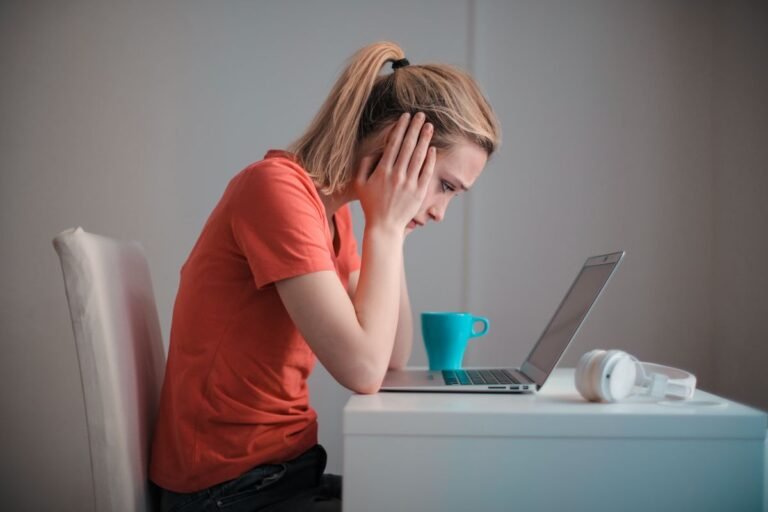
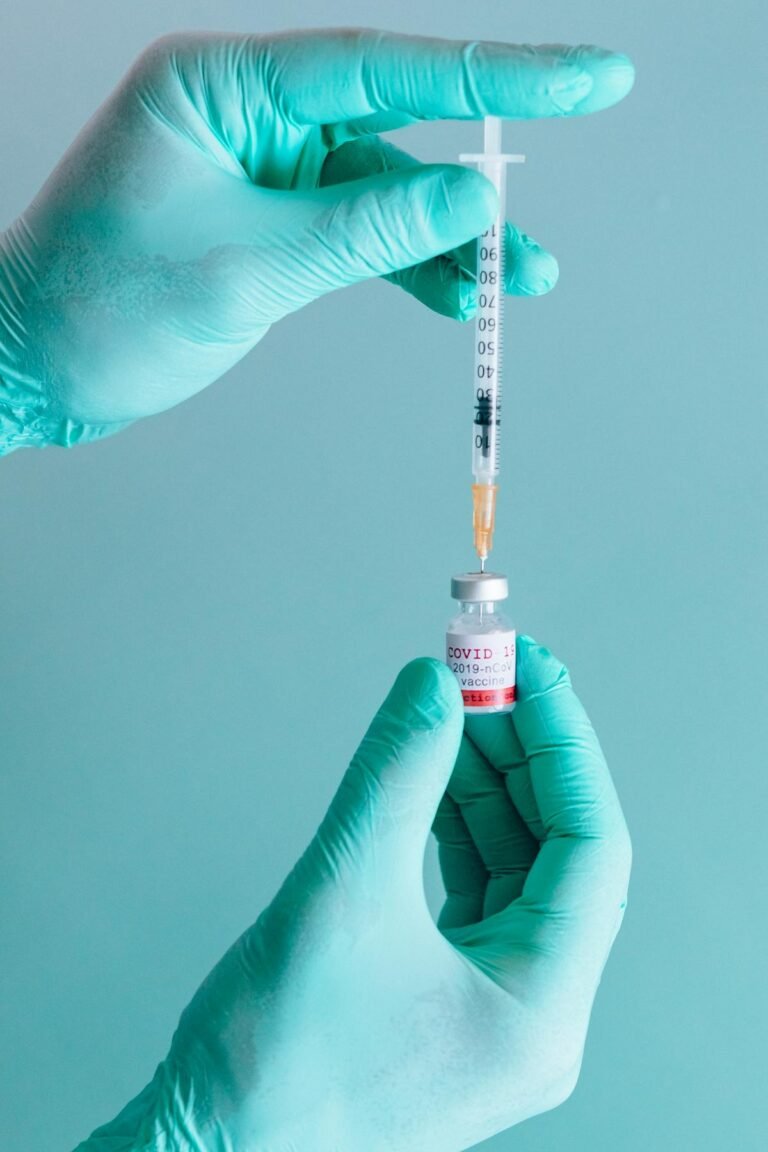
Long COVID continues to affect an estimated 7-23 million Americans — a shadow pandemic of persistent fatigue, brain fog, shortness of breath, and multi-system dysfunction that has no approved treatment and inadequate medical understanding. A study published on July 12, 2026 offers a potential breakthrough: GLP-1 medications may help block the inflammatory lung scarring and damage caused by COVID-19 in people with diabetes, and may reduce the risk of developing long COVID symptoms.
As a pharmacist with 40 years of clinical experience, the GLP-1 long COVID finding is significant and fits a coherent mechanistic framework. The lung inflammation that drives post-COVID complications shares biological pathways that GLP-1 drugs are known to suppress. Here is what the research shows and what it means for Americans managing both metabolic conditions and COVID-19 risk.
The July 2026 Study: What It Found
The study examined adults with diabetes who contracted COVID-19, comparing outcomes in those who were taking GLP-1 receptor agonists versus those on other diabetes medications. GLP-1 users showed:
- Reduced severity of acute COVID-19 lung inflammation
- Lower rates of post-COVID pulmonary fibrosis (lung scarring)
- Reduced incidence of long COVID symptom clusters — particularly respiratory and inflammatory symptoms
The researchers proposed that GLP-1 receptor activation in lung tissue directly modulates the inflammatory cascade that drives COVID-19’s most serious complications — a plausible mechanism given the known distribution of GLP-1 receptors in pulmonary tissue.
Understanding Long COVID
Long COVID (Post-Acute Sequelae of SARS-CoV-2, or PASC) is defined as new, returning, or ongoing health problems occurring 4 or more weeks after COVID-19 infection. The most common symptoms:
- 🧠 Brain fog: Difficulty concentrating, memory problems, cognitive slowing
- 😴 Post-exertional malaise (PEM): Worsening of symptoms after physical or mental exertion — the hallmark of ME/CFS-like long COVID
- 🫀 Cardiovascular issues: Palpitations, POTS (postural orthostatic tachycardia syndrome), elevated resting heart rate
- 🫁 Respiratory symptoms: Persistent shortness of breath, reduced exercise tolerance, pulmonary fibrosis
- 💪 Fatigue: Profound, unrefreshing fatigue that does not improve with rest
- 🤕 Pain: Joint pain, muscle pain, headaches
- 😔 Mental health: Depression, anxiety, PTSD-like symptoms
Why GLP-1 Drugs May Help
Direct Lung Protection
GLP-1 receptors are expressed in lung epithelial cells, macrophages, and vascular endothelium. Activation of these receptors reduces NFkB-mediated inflammatory signaling — the primary driver of the cytokine storm that causes severe COVID-19 lung damage. GLP-1 receptor activation also reduces TGF-beta signaling — a key driver of pulmonary fibrosis (the scarring that reduces lung capacity permanently in some long COVID patients).
Systemic Anti-Inflammatory Effects
Long COVID is increasingly understood as a state of persistent, dysregulated immune activation and neuroinflammation. GLP-1 drugs’ documented ability to reduce systemic inflammatory markers — hs-CRP, IL-6, TNF-alpha — may address the underlying inflammatory state driving long COVID symptoms.
Autonomic Nervous System Stabilization
POTS and dysautonomia (autonomic nervous system dysfunction) are among the most common and debilitating long COVID presentations. Given the recent discovery that exercise rewires cardiac nerves, and GLP-1’s effects on autonomic regulation, there is emerging interest in whether GLP-1 drugs might specifically help POTS-related long COVID — though this is not yet established.
For Americans With Long COVID: What Helps Now
GLP-1 medications are not yet approved or established as a long COVID treatment. For the millions of Americans currently managing long COVID, evidence-based strategies include:
Pacing — The Most Critical Principle
Post-exertional malaise makes traditional “push through it” recovery advice actively harmful for long COVID. The most validated approach is pacing — staying within your “energy envelope” and avoiding the boom-bust cycle that worsens symptoms. Heart rate monitoring (staying under your anaerobic threshold) is a practical pacing tool.
Low-Histamine Diet (For Appropriate Patients)
Some long COVID patients show evidence of mast cell activation syndrome (MCAS) — excessive histamine and inflammatory mediator release. A temporary low-histamine diet (avoiding fermented foods, aged cheeses, leftovers, and high-histamine items) reduces symptom burden in MCAS-driven long COVID.
Low-Dose Naltrexone (LDN)
LDN (1.5-4.5mg nightly) has shown benefit in multiple autoimmune and inflammatory conditions with neuroinflammatory components, including fibromyalgia and ME/CFS — conditions that share significant overlap with long COVID. Small studies and significant anecdotal evidence suggest benefit for some long COVID patients. Discuss with your physician.
Pulmonary Rehabilitation
For respiratory long COVID with reduced exercise tolerance, structured pulmonary rehabilitation (supervised graduated exercise with oxygen monitoring) shows consistent benefit. Distinct from general exercise — must be titrated carefully to avoid PEM triggering.
The Bottom Line
The July 2026 GLP-1 long COVID finding adds to a growing body of evidence that these drugs’ broad anti-inflammatory effects extend to COVID-19 complications. For Americans with diabetes on GLP-1 medications, this is additional reassurance. For long COVID patients without diabetes, more research is needed before GLP-1 drugs can be recommended specifically for this indication — but the mechanistic rationale is sound and clinical trials are underway. After 40 years of pharmacy practice, I continue to be struck by how broadly the inflammatory pathways GLP-1 drugs target connect to human disease — COVID complications included.
Disclaimer: Our content is for educational purposes only and is not a substitute for professional medical advice, diagnosis, or treatment. GLP-1 medications are not currently approved for long COVID treatment. If you have long COVID symptoms, consult your physician. Always seek the advice of your healthcare provider.