
Anxiety and Depression: 8 Evidence-Based Lifestyle Approaches and What a Pharmacist Wants You to Know
Anxiety and depression are the most searched mental health conditions across America in 2026 — and the statistics reveal why. The Mental Health America 2024 report found that nearly 1 in 5 American adults experience a mental health condition annually. Yet treatment gaps remain enormous: 57% of adults with mental illness receive no treatment in a given year.
As a pharmacist with 40 years of experience dispensing antidepressants, anxiolytics, and psychiatric medications — and watching both their benefits and limitations — I want to have the frank, complete conversation that too few healthcare providers make time for. Medication has a real and important place. But so does the biological foundation that determines whether medication works at all.
This guide covers both — the lifestyle and supplement approaches that move the needle for most people, and the clear situations where medication is the right first move.
Understanding Anxiety and Depression: More Than “Brain Chemistry”
The “chemical imbalance” explanation of depression and anxiety — the narrative that a serotonin deficiency simply needs to be corrected with an SSRI — is now understood to be a significant oversimplification. Mental health conditions involve:
- 🧠 Neuroinflammation — Inflammatory cytokines cross the blood-brain barrier and alter neurotransmitter function; people with depression have measurably elevated inflammatory markers
- 🦠 Gut-brain axis dysfunction — 90% of serotonin is produced in the gut; gut dysbiosis directly impairs neurotransmitter production
- 🔋 Mitochondrial dysfunction — Depression is increasingly understood as involving impaired cellular energy production in neurons
- 🕰️ HPA axis dysregulation — Chronic cortisol elevation from stress physically damages the hippocampus and impairs emotional regulation
- 😴 Sleep architecture disruption — Deep sleep is when emotional memory is processed; chronic sleep disruption perpetuates both anxiety and depression
- 💊 Nutritional deficiencies — Vitamin D, omega-3, magnesium, B vitamins, and iron deficiencies each have documented links to mood disorders
This multifactorial understanding explains why medication alone frequently produces incomplete results — and why lifestyle approaches that address multiple pathways simultaneously often work better than expected.
8 Lifestyle Interventions With Strong Clinical Evidence
1. Exercise — The Most Evidence-Based Natural Antidepressant
The evidence for exercise as an antidepressant is remarkable in its consistency and effect size. A landmark 2023 meta-analysis in the British Journal of Sports Medicine analyzed 97 randomized trials with over 1 million participants and found that exercise was 1.5 times more effective than medications or psychotherapy as a treatment for depression, anxiety, and psychological distress.
The mechanism: Exercise increases BDNF (brain-derived neurotrophic factor) — which literally grows new neurons in the hippocampus (the brain region most affected by depression). It also increases dopamine, norepinephrine, and serotonin; reduces inflammatory cytokines; and improves HPA axis regulation.
Effective doses from the research: 30 minutes of moderate aerobic exercise, 3-5x weekly. Higher intensity shows additional benefit. Even 10-minute walks produce measurable mood improvement within 2 hours.
2. Sleep Optimization
Sleep and mental health have a bidirectional relationship — depression disrupts sleep, and disrupted sleep worsens depression. During REM sleep, emotional memories are processed and “detoxified”; without adequate REM, emotional reactivity increases dramatically. Studies show insomnia increases depression risk by 10x and precedes 40% of new depression episodes.
Treating insomnia often resolves or significantly improves co-occurring depression and anxiety. CBT-I (cognitive behavioral therapy for insomnia) shows antidepressant effects independent of sleep improvement.
3. Anti-Inflammatory Diet
The Mediterranean diet is the most studied dietary pattern for depression prevention. A 2019 randomized trial called SMILES found that switching to a Mediterranean-style diet produced remission rates comparable to pharmacotherapy in depressed patients. The mechanism: reduction of neuroinflammation via reduced inflammatory dietary load.
Key components: fatty fish (omega-3s reduce neuroinflammation), olive oil, vegetables, legumes, and whole grains. Simultaneously reducing ultra-processed foods — which drive inflammatory cytokine production — amplifies the benefit.
4. Gut Health Optimization
The gut-brain axis is one of the most exciting frontiers in psychiatry. Gut bacteria produce neurotransmitter precursors, regulate HPA axis activity, and send direct signals to the brain via the vagus nerve. Patients with depression and anxiety consistently show different gut microbiome profiles than healthy controls.
Probiotic supplementation (particularly multi-strain formulations including Lactobacillus and Bifidobacterium) has shown consistent benefit in reducing anxiety and depression scores in multiple RCTs. Daily fermented foods provide similar benefits through improved microbial diversity.
5. Morning Sunlight Exposure
Light therapy for Seasonal Affective Disorder (SAD) is FDA-recognized — and its mechanisms extend to year-round mood regulation. Morning sunlight triggers serotonin production and sets circadian rhythms that stabilize sleep and mood throughout the day. Even 10-20 minutes of outdoor morning light exposure measurably improves mood and energy in controlled studies.
6. Stress Regulation and Mind-Body Practice
Chronic stress perpetuates anxiety and depression through sustained cortisol elevation that physically damages hippocampal neurons. Practices that directly regulate the HPA axis:
- Mindfulness-Based Cognitive Therapy (MBCT): As effective as antidepressants for preventing depression relapse in multiple RCTs; now endorsed by multiple clinical guidelines
- Slow breathing: 5-6 breaths/minute activates vagal tone and directly reduces cortisol
- Yoga: Multiple meta-analyses show significant reduction in both anxiety and depression scores
- Social connection: Harvard’s 85-year study on adult happiness confirms that relationship quality is the strongest predictor of mental wellbeing
7. Screen Time and Social Media Reduction
The association between social media use and mental health — particularly in adults 25-45 and adolescents — is now well-documented. High social media use correlates with anxiety, depression, sleep disruption, and social comparison stress. A 2018 University of Pennsylvania RCT found that limiting social media to 30 minutes/day significantly reduced depression and loneliness over 3 weeks.
8. Meaningful Work and Purpose
Having a sense of purpose is protective against depression with biological mechanisms — those with strong purpose show lower cortisol, better immune function, and higher BDNF. Job dissatisfaction, social isolation, and lack of meaning are among the most underappreciated drivers of depression in American adults.
Supplements With Clinical Evidence for Anxiety and Depression
- Omega-3 fatty acids (EPA-dominant, 2-4g daily): Multiple meta-analyses show antidepressant effects comparable to some medications in mild-moderate depression; reduces neuroinflammation
- Vitamin D3 (correct to 50-60 ng/mL): Deficiency strongly linked to depression; correction shows consistent benefit in deficient individuals
- Magnesium glycinate (300-400mg): Deficiency associated with anxiety and depression; GABAergic mechanism similar to anti-anxiety medications
- Saffron extract (30mg daily): Multiple RCTs show antidepressant effect comparable to fluoxetine (Prozac) at standard doses; particularly well-studied in mild-moderate depression
- Ashwagandha (600mg daily, KSM-66 form): Adaptogen; reduces cortisol, anxiety scores, and stress response across multiple RCTs
- L-Theanine (200mg): Promotes alpha brain waves; reduces anxiety without sedation; safe for long-term use
- Methylated B vitamins (B6, B12, folate as methylfolate): Critical cofactors for neurotransmitter synthesis; up to 30% of people have MTHFR variants reducing B vitamin metabolism
When Medication Is the Right First Choice
I want to be completely clear: lifestyle and supplement approaches are powerful — but they are not appropriate as sole treatment in all situations. Medication is clearly indicated when:
- Moderate-to-severe depression (PHQ-9 above 15)
- Suicidal ideation or self-harm — seek emergency care immediately
- Panic disorder with severe functional impairment
- Anxiety or depression unresponsive to 6-8 weeks of lifestyle intervention
- Bipolar disorder (requires specific mood stabilizer management)
- PTSD (evidence-based medication protocols exist)
- When impairment is severe enough to prevent implementing lifestyle changes
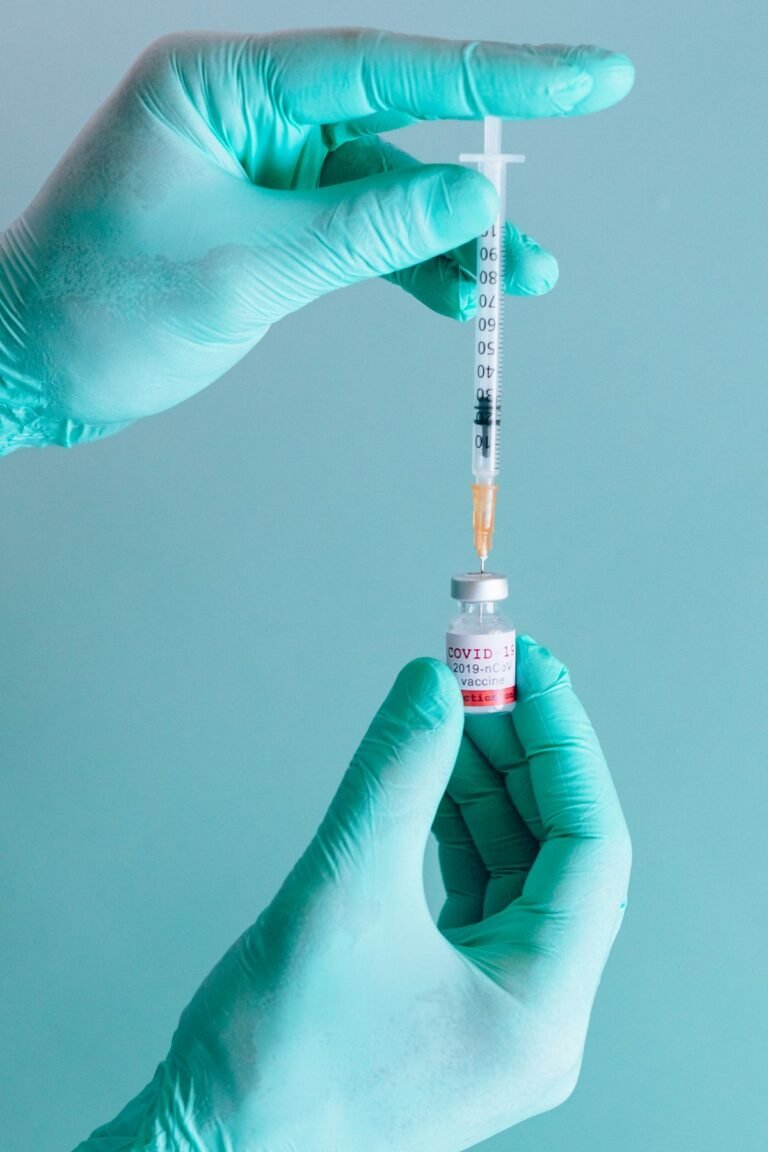
SSRIs and SNRIs have genuine and meaningful evidence — and the combination of medication plus lifestyle approaches consistently outperforms either alone. Medication is not failure; it’s a tool.
⚠️ Crisis Resources — Please Use If Needed
- 988 Suicide and Crisis Lifeline: Call or text 988 (24/7)
- Crisis Text Line: Text HOME to 741741
- SAMHSA Helpline: 1-800-662-4357
The Bottom Line
Anxiety and depression are real, biological conditions — not character flaws or weaknesses. After 40 years of pharmacy practice, the patients I’ve seen make the most durable recoveries consistently address multiple pathways simultaneously: exercise, sleep, gut health, nutrition, social connection, and when needed, appropriate medication.
The lifestyle approaches are not “instead of” medicine — they are the biological foundation that determines how well any treatment works. Start there, build consistently, and don’t hesitate to seek professional support.
Disclaimer: Our content is for educational purposes only and is not a substitute for professional medical advice, diagnosis, or treatment. If you are experiencing a mental health crisis, please contact 988 or your local emergency services immediately. Always seek the advice of your physician or mental health professional.