How to Strengthen Your Immune System Naturally: 10 Pharmacist-Approved Strategies
Cold and flu season. COVID variants. RSV. Pneumonia. Every year, millions of Americans lose weeks of their lives to infections that a stronger immune system could have fought off faster — or prevented entirely.
As a pharmacist with 40 years of experience, I’ve watched the supplement aisle fill with products making extravagant immune-boosting claims — most of them unsupported by solid evidence. At the same time, I’ve watched the genuinely powerful immune-supporting interventions get ignored because they’re not profitable to market.
Today I’m giving you what the evidence actually supports: 10 pharmacist-approved strategies to build a genuinely resilient immune system — and a clear-eyed look at which popular remedies are worth your money and which are marketing fluff.
How Your Immune System Actually Works
Your immune system is not a single organ or mechanism — it’s a sophisticated multi-layer defense network:
- Innate immunity: Your first responders — skin, mucus membranes, fever response, natural killer cells that attack anything foreign within hours
- Adaptive immunity: Your precision military — T-cells and B-cells that develop specific responses to specific pathogens and create immunological memory (the basis of vaccines)
- Gut-associated immunity: 70% of immune tissue is in your gut; gut microbiome health directly determines immune function quality
The goal isn’t to “boost” immunity in some vague, nonspecific way — it’s to give your immune system the nutritional raw materials it needs to function optimally while removing the lifestyle factors that chronically suppress it.
10 Pharmacist-Approved Ways to Strengthen Your Immune System
1. Optimize Vitamin D Levels (The Immune Vitamin)
Vitamin D is not just a bone vitamin — it’s a critical immune regulator. VDR (Vitamin D receptors) are found on virtually every immune cell, including T-cells, B-cells, and macrophages. Vitamin D activates the innate immune response, modulates inflammatory responses to prevent cytokine storms, and stimulates production of antimicrobial peptides in respiratory tract cells.
A landmark 2017 meta-analysis in the British Medical Journal analyzing 25 randomized controlled trials found that vitamin D supplementation reduced risk of acute respiratory infections by 42% in people who were deficient. The protective effect was strongest with daily supplementation.
Target blood level: 50-60 ng/mL. Recommended dose: 2,000-5,000 IU D3 daily depending on your baseline level and sun exposure. Always pair with K2.
2. Get Adequate Zinc (America’s Most Underappreciated Immune Mineral)
Zinc is essential for T-cell development, natural killer cell activity, and antibody production. Even mild zinc deficiency significantly impairs immune function — and studies suggest 12% of Americans are zinc deficient, with higher rates in older adults and vegetarians.
Zinc acetate or zinc gluconate lozenges have the strongest evidence for reducing cold duration when started within 24 hours of symptom onset — by up to 33% in multiple RCTs. Dose: 15-30mg daily for maintenance; 75-100mg (as lozenges) for acute illness (not to exceed 14 days).
Best food sources: oysters (best), beef, pumpkin seeds, cashews, chickpeas. Note: zinc from plant sources is poorly absorbed due to phytates — vegetarians may need supplementation.
3. Sleep 7-9 Hours — Non-Negotiable for Immunity
This is the single most impactful immune intervention, bar none. A landmark study by Dr. Aric Prather at UCSF found that people who sleep less than 6 hours per night are 4x more likely to catch a cold when exposed to a cold virus than those who sleep 7+ hours.
During sleep, your body produces and releases cytokines — immune proteins that help fight infection and inflammation. T-cell production peaks during deep sleep. Antibody responses to vaccines are substantially lower in sleep-deprived individuals. There is no supplement that compensates for inadequate sleep from an immune perspective.
4. Prioritize Gut Health (70% of Immunity Lives There)
Since the majority of your immune tissue (GALT — gut-associated lymphoid tissue) resides in your digestive tract, gut microbiome health is a direct determinant of immune function. A diverse, robust microbiome trains immune cells to distinguish friend from foe, prevents inflammatory overreaction, and produces short-chain fatty acids that maintain gut barrier integrity.
Practical strategies: Daily fermented foods (kefir, yogurt, kimchi), 30+ plant species weekly, quality probiotic (especially if you’ve recently taken antibiotics), and prebiotic fiber from garlic, onions, oats, and green bananas.
5. Exercise Consistently — But Don’t Overtrain
Moderate regular exercise is one of the most consistently documented immune-enhancing interventions in the scientific literature. The proposed mechanisms include:
- Each bout of exercise mobilizes natural killer cells and T-cells from tissues into circulation, improving immune surveillance
- Regular exercise reduces chronic inflammatory load (chronic inflammation suppresses immune function)
- Exercise improves lymphatic circulation — the highway system of the immune response
However, extreme exercise (marathon training, overtraining) temporarily suppresses immune function for 3-72 hours post-exercise — explaining why endurance athletes have higher rates of upper respiratory infections during heavy training phases. The sweet spot: 30-60 minutes of moderate intensity, 5 days per week.
6. Manage Stress (Cortisol Is an Immune Suppressor)
This is one of the most well-established relationships in psychoneuroimmunology: chronic psychological stress profoundly suppresses immune function. Cortisol, when chronically elevated, reduces T-cell production, decreases antibody response to vaccines, and promotes pro-inflammatory cytokine patterns that paradoxically suppress effective immune responses.
Practical stress management for immune health: 10-minute daily mindfulness practice (reduces inflammatory gene expression within 8 weeks), social connection (loneliness suppresses immune function as significantly as smoking), and regular time in nature (studies show reduced cortisol and enhanced NK cell activity after forest walking).
7. Eat Immune-Supporting Foods Year-Round
Rather than relying on supplements during cold season, build an immune-supportive diet foundation year-round:
- 🧄 Garlic: Allicin has documented antimicrobial and immune-stimulating properties; use raw and freshly crushed for maximum effect
- 🫚 Extra virgin olive oil: Oleocanthal and polyphenols reduce inflammatory immune dysregulation
- 🫐 Blueberries and dark berries: Pterostilbene and anthocyanins enhance NK cell activity
- 🍄 Medicinal mushrooms (shiitake, maitake, reishi): Beta-glucans directly stimulate macrophage and NK cell activity
- 🫚 Fatty fish: Omega-3s modulate inflammatory immune response and improve vaccine efficacy
- 🥬 Cruciferous vegetables: Support liver detoxification pathways that affect immune regulation
- 🍵 Green tea: EGCG has documented antiviral properties against influenza and other viruses
8. Stay Hydrated — Mucous Membranes Are Your First Defense
Your mucous membranes — lining your nose, throat, and lungs — are your body’s first-line physical barrier against pathogens. They trap particles and viruses before they can cause infection, and contain IgA antibodies that neutralize pathogens on contact. Dehydration dries and compromises these membranes, directly increasing infection susceptibility.
Target: minimum 8-10 glasses of water daily, more during exercise or illness. During active illness, warm fluids (chicken soup, herbal teas) additionally support mucus thinning and clearance.
9. Keep Up With Evidence-Based Vaccines
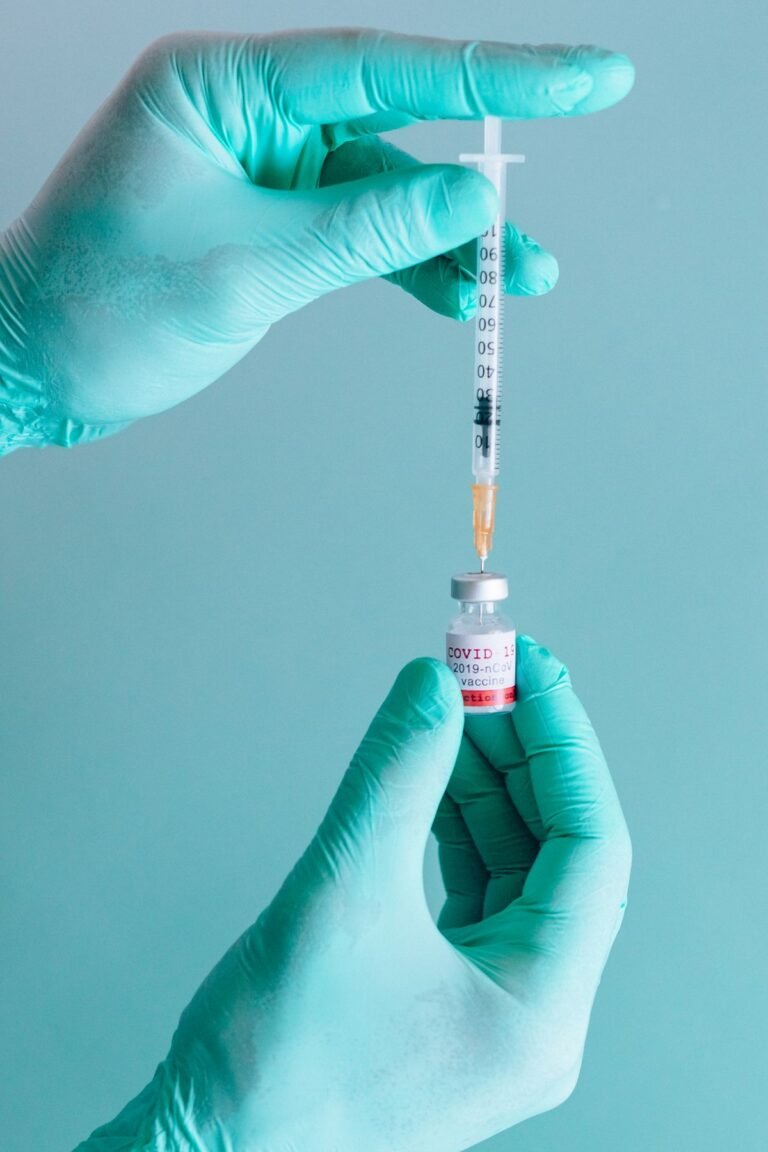
Vaccines are the most powerful and specific form of immune system augmentation available. They train your adaptive immune system to recognize specific pathogens with zero risk of actual infection. Adults should maintain current vaccinations for influenza (annual), COVID-19 (per current guidelines), pneumococcal (adults 65+), Tdap (tetanus/pertussis), shingles (Shingrix, 50+), and RSV (adults 60+, as of 2023).
10. Consider Elderberry (Sambucus nigra) and Andrographis
Of all the herbal immune supplements, these two have the most robust evidence:
- Elderberry extract: A 2016 randomized controlled trial of air travelers found elderberry supplementation reduced cold duration by 2 days and severity scores significantly. Mechanism: flavonoids bind to and prevent viral entry into cells. Use standardized extract (Sambucol or equivalent), not poorly standardized products.
- Andrographis paniculata: Multiple RCTs show significant reduction in cold/flu symptom severity and duration when started early. Well-studied in Scandinavia where it’s a common medical recommendation.
Immune Supplements With Weak or Mixed Evidence
I want to be honest about what the science doesn’t support as clearly:
- Vitamin C megadoses: Evidence shows only modest benefit for cold duration in healthy adults (about half a day shorter); more effective for those under intense physical stress like marathon runners
- Echinacea: Highly variable evidence; depends enormously on the specific species, part of plant, and preparation; some RCTs show benefit, many show none
- Oregano oil: In vitro evidence (test tube) doesn’t reliably translate to clinical immune benefits in humans
The Bottom Line
A truly resilient immune system isn’t built in a week with a supplement — it’s the result of consistent, science-backed lifestyle choices compounding over months and years. The ten strategies above address the actual mechanisms of immune function, not marketing claims.
After four decades as a pharmacist, the most immune-resilient patients I’ve known shared these habits: they slept well, managed stress, ate real food, exercised regularly, and maintained adequate vitamin D and zinc levels. No magic ingredient — just consistent fundamentals applied long enough to make a real difference.
Disclaimer: Our content is for educational purposes only and is not a substitute for professional medical advice, diagnosis, or treatment. Always seek the advice of your physician before starting any new supplement regimen.