Eating Less Protein May Slow Aging, Major 2026 Review of 350 Studies Finds — What Americans Need to Know
The protein optimization movement in American nutrition has pushed “eat more protein” as a virtually universal health recommendation. A sweeping review published August 2, 2026 — analyzing more than 350 studies — challenges this narrative with important nuance: for longevity and aging, eating somewhat less protein may actually slow biological aging by activating cellular maintenance pathways that high protein consumption suppresses. This does not mean protein is harmful — it means the relationship between protein, muscle, and longevity is more complex than current fitness culture suggests.
As a pharmacist with 40 years of clinical experience watching nutritional pendulums swing from fat to carbohydrates to protein as the primary target, this research demands a nuanced and honest response. The full picture — integrating muscle preservation, longevity signaling, and practical dietary guidance — is more nuanced than either “eat more protein” or “eat less protein.” Here is the complete evidence.
The August 2026 Review: What 350+ Studies Showed
The comprehensive review synthesized evidence from epidemiological studies, animal longevity research, and human clinical trials examining the relationship between protein intake, metabolic pathways, and aging. Key findings:
- The anabolic signaling pathways activated by high protein intake (particularly mTOR/IGF-1) promote muscle growth but simultaneously suppress cellular maintenance processes (autophagy, DNA repair) that are critical for longevity
- Populations with the longest healthspans — Blue Zone populations — generally consume moderate protein, not high protein
- In animal models across multiple species, protein restriction or amino acid restriction (particularly methionine) consistently extends lifespan
- The type of protein matters as much as quantity — plant protein sources activate longevity pathways more favorably than equivalent animal protein at the same total intake
- The review concluded that current dietary protein guidelines may actually suggest more protein than is optimal for longevity, even if they are appropriate for muscle maintenance
The Biology: mTOR, Autophagy, and the Protein-Longevity Paradox
mTOR — The Master Growth Switch
mTOR (mechanistic Target of Rapamycin) is the master regulator of cellular growth and metabolism. It is activated by amino acids — particularly leucine, arginine, and BCAAs — and drives protein synthesis, cell proliferation, and anabolic processes. High protein intake chronically activates mTOR.
The longevity paradox: mTOR activation drives growth, but mTOR inhibition drives longevity. Rapamycin — the most effective pharmaceutical longevity drug in animal studies — works by inhibiting mTOR. Caloric restriction extends lifespan in multiple species partly by reducing mTOR activity. Fasting activates autophagy (cellular self-cleaning) by reducing mTOR. The same signal (protein/amino acids) that drives muscle growth also suppresses the cellular maintenance processes most protective against aging.
Autophagy — The Cellular Cleaning System
Autophagy is the cellular process of identifying and recycling damaged organelles, misfolded proteins, and cellular debris. It is suppressed by mTOR — meaning high amino acid availability (from high protein intake) reduces autophagy. Autophagy is critical for:
- Clearing the damaged mitochondria that produce excess reactive oxygen species and drive cellular aging
- Removing misfolded proteins that aggregate and cause neurodegeneration (amyloid, tau, alpha-synuclein)
- Recycling amino acids during nutrient scarcity
- Suppressing cancer cell survival (damaged mitochondria and proteins that would otherwise become oncogenic)
The Methionine Connection
Methionine — an essential amino acid found at highest concentrations in animal proteins — appears to be particularly important in the protein-longevity relationship. Methionine restriction (without overall caloric restriction) extends lifespan in multiple animal models and reduces IGF-1 levels. Plant proteins tend to have lower methionine content than animal proteins — potentially explaining why plant-protein-dominant diets show more favorable longevity associations even at equivalent total protein.
The Other Side: Why Protein Is Still Critical
The review explicitly acknowledges the tension between protein’s longevity effects and its muscle-preservation benefits — and this tension is real and must be navigated carefully:
- Sarcopenia (age-related muscle loss) is a major cause of functional decline, falls, and mortality in older adults — and higher protein intake is the primary nutritional strategy for preserving muscle mass
- Protein restriction in sedentary older adults accelerates muscle loss — potentially increasing the mortality risk that longevity signaling was supposed to reduce
- The longevity benefit of protein restriction appears most relevant in midlife (40-65) and in individuals with adequate muscle mass — not in older adults with existing sarcopenia
The Pharmacist’s Practical Synthesis
Age-Specific Protein Guidance
- Adults under 65, adequate muscle mass: The review’s longevity-optimal range appears to be 0.7-1.0g protein per pound of body weight — below the 1.2-1.6g commonly recommended for muscle optimization, but above sedentary RDA
- Adults over 65 or with sarcopenia: Higher protein (1.0-1.3g/lb) remains important — muscle preservation supersedes mTOR-longevity concerns at this life stage
- Active individuals and athletes: Exercise itself activates mTOR beneficially — higher protein combined with exercise produces muscle benefit without the chronic mTOR suppression concerns of sedentary high-protein intake
Shift Toward Plant Protein Sources
The most actionable finding: replacing some animal protein with plant protein sources produces the longevity signaling benefit of reduced methionine while maintaining protein adequacy:
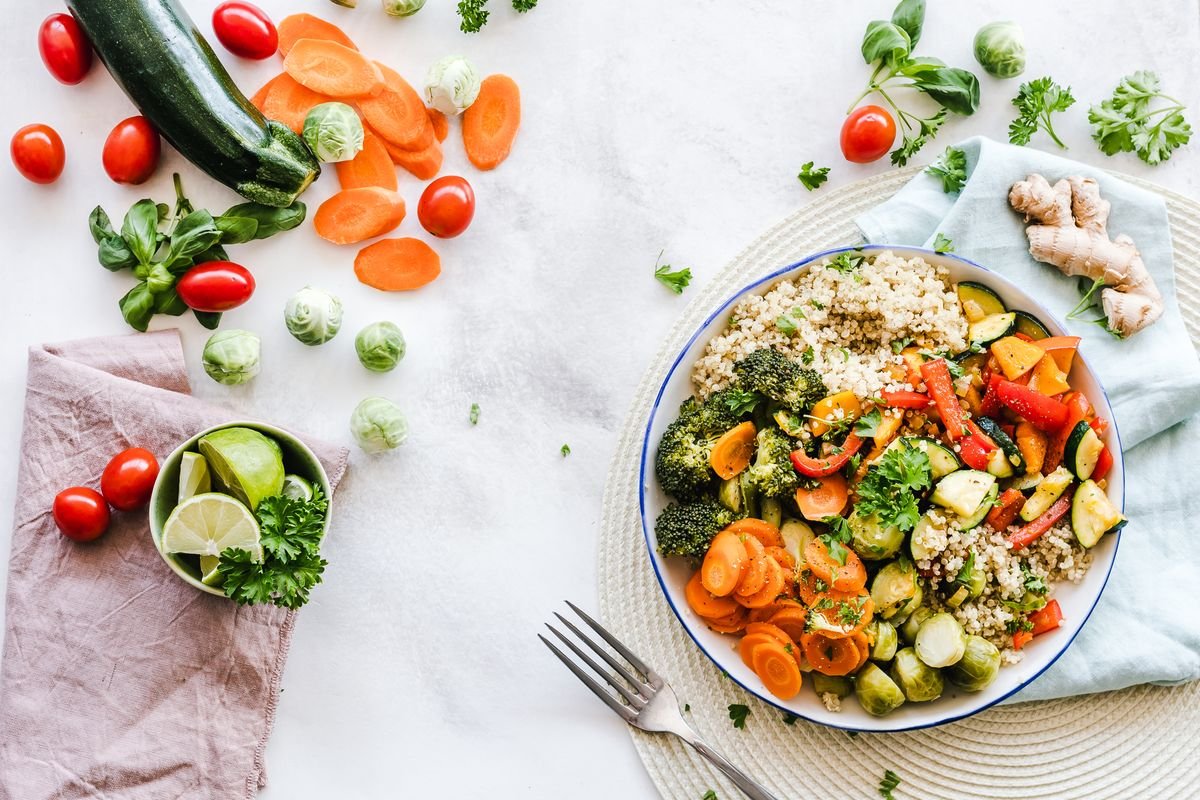
- Legumes, lentils, chickpeas, tofu, tempeh, edamame — high protein, lower methionine, high fiber
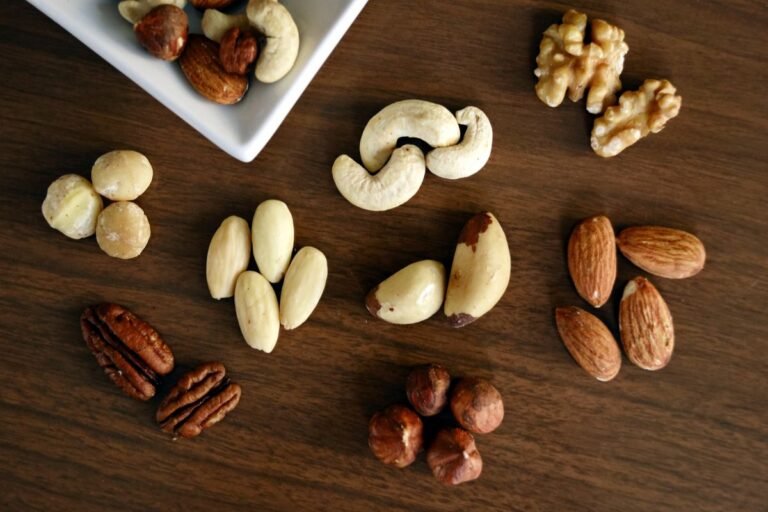
- Nuts and seeds — leucine-rich plant protein with anti-inflammatory effects
- Whole grains — modest protein contribution with fiber and complex carbohydrates
Time-Restricted Eating — Natural Autophagy Activation
Intermittent fasting or time-restricted eating (16:8 or similar) creates natural periods of mTOR suppression and autophagy activation — even without reducing total protein intake. This may offer a practical middle path: eat adequate protein within a shorter eating window, allowing the fasting period to activate autophagy and longevity pathways.
The Bottom Line
The August 2026 350-study review does not say “eat less protein” categorically — it says the relationship between protein, muscle health, and longevity is more nuanced than the fitness industry’s blanket “eat more protein” messaging. After 40 years of pharmacy practice watching nutritional pendulums swing, the most evidence-supported synthesis is: eat adequate (not excessive) protein, shift toward plant sources where possible, combine with resistance exercise, and consider time-restricted eating to activate autophagy naturally. The goal is health and longevity — not simply maximizing any single metric.
Disclaimer: Our content is for educational purposes only and is not a substitute for professional medical advice, diagnosis, or treatment. Protein needs vary significantly by age, health status, and activity level. Consult your physician or registered dietitian for personalized guidance. Always seek the advice of your healthcare provider.