Alcohol Risks Begin at Lower Levels Than Americans Think: What 2026 Research Reveals
For years, moderate alcohol consumption — defined as up to one drink daily for women and two for men — was positioned as cardiovascular-neutral or even potentially protective. That narrative has been systematically dismantled over the past several years, and 2026 research continues the trend: a new analysis found that consuming an average of two alcoholic drinks per day is linked to an increased risk of 20 different health outcomes, including several cancers, while earlier research from the same period confirms no safe level of drinking for cancer prevention.
As a pharmacist with 40 years of experience watching patients navigate alcohol’s health effects — from the genuinely social to the deeply harmful — I want to give you the most current, honest, and actionable information. The science has shifted significantly. Here is what it actually shows.
The 2026 Research: What Changed
The new analysis found that the health risks from alcohol begin at lower consumption levels than previously recognized — with two drinks daily (the prior upper limit of “moderate” consumption for men) associated with meaningful increases in risk across 20 health conditions. This reflects a broader scientific reassessment driven by several methodological improvements in alcohol research:
- Mendelian randomization studies — using genetic variants in alcohol metabolism to establish causation rather than association — have largely failed to show the cardiovascular benefit that observational studies suggested
- Recognition that earlier studies were confounded by including former drinkers (often heavy drinkers who quit due to illness) in the “abstainer” comparison group — artificially making moderate drinkers look healthier
- More sophisticated analysis of dose-response relationships showing linear harm without a protective threshold for most cancers
The Alcohol-Cancer Connection: No Safe Level
The International Agency for Research on Cancer (IARC) classifies alcohol as a Group 1 carcinogen — the same category as tobacco. The World Health Organization states explicitly that there is no safe level of alcohol consumption for cancer prevention. The 2026 research reinforces this position.
Alcohol causes cancer through several mechanisms:
- Acetaldehyde (the primary alcohol metabolite) directly damages DNA — particularly in cells lining the mouth, throat, esophagus, and liver
- Alcohol disrupts the body’s ability to repair DNA damage
- Alcohol increases estrogen levels — driving estrogen-receptor-positive breast cancer
- Alcohol impairs folate metabolism, impairing DNA synthesis repair mechanisms
- Alcohol generates reactive oxygen species that cause oxidative DNA damage
The 7 Cancers Directly Linked to Alcohol
- 🎗️ Breast cancer — 7-10% higher risk per drink per day; the most common cancer in women
- 🫀 Esophageal cancer — strong dose-response; particularly with smoking co-exposure
- 🫙 Liver cancer — alcoholic liver disease is a major pathway
- 🟣 Colorectal cancer — consistent dose-response; 1-2 drinks/day associated with meaningful risk increase
- 👄 Oral cavity and oropharyngeal cancer — acetaldehyde direct exposure to mucous membranes
- 🎵 Laryngeal cancer
- 🫁 Stomach cancer
The Cardiovascular “Benefit” Myth
The idea that moderate drinking is heart-protective originated from observational studies showing lower cardiovascular disease rates in moderate drinkers versus abstainers. The most rigorous current analysis concludes:
- The apparent cardiovascular benefit does not survive methodological scrutiny — abstainer comparison group confounding largely explains the association
- Mendelian randomization studies (which control for confounding using genetic data) generally show neutral or harmful cardiovascular effects of alcohol
- Even if modest cardiovascular benefit existed in some individuals, it does not offset cancer risk at the population level
- Any “heart benefit” from polyphenols in wine is achievable through red grapes, grape juice, and flavanol-rich foods without alcohol’s harms
The 2020 Dietary Guidelines Update
The 2020-2025 U.S. Dietary Guidelines reduced the recommendation for men from 2 drinks/day to 1 drink/day — aligning men’s guidance with women’s. This update reflected the accumulating evidence of harm at previously considered “moderate” levels. The 2026 research suggests even these updated guidelines may need further revision as the evidence base strengthens.
What Counts as a “Standard Drink”
Most Americans significantly underestimate how much they actually drink because they don’t know standard drink definitions:
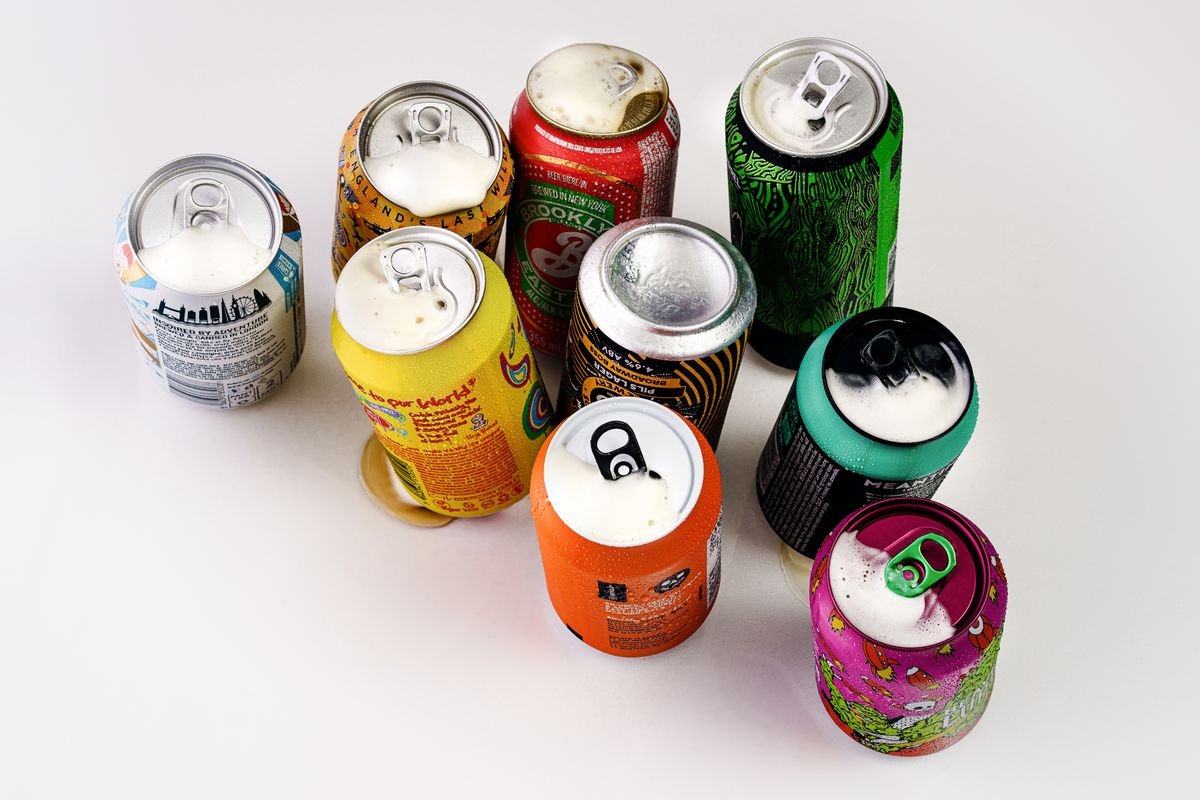
- 🍺 Beer: 12 oz of 5% beer = 1 standard drink. A 16 oz craft beer at 7% = approximately 1.9 drinks
- 🍷 Wine: 5 oz of 12% wine = 1 standard drink. A typical restaurant pour is 6-8 oz = 1.2-1.6 drinks
- 🥃 Spirits: 1.5 oz of 40% spirits = 1 standard drink. Many cocktails contain 2-3 oz of spirits
The Pharmacist’s Perspective: Practical Guidance
I am not prescribing abstinence — that is a personal decision. What I am communicating is that the evidence strongly supports minimizing alcohol consumption:
- If you currently drink, reducing from daily to 3-4 days weekly significantly reduces cumulative exposure
- Alcohol-free days are more health-protective than daily moderate amounts
- Choosing non-alcoholic alternatives for social occasions is increasingly normalized and straightforward — quality non-alcoholic wines, beers, and spirits have improved dramatically
- If you have a family history of breast cancer, colorectal cancer, or liver disease — the calculus for alcohol reduction is particularly clear
- Any amount of alcohol consumption during pregnancy has no safe level — established unequivocally
The Bottom Line
The 2026 research confirming alcohol’s risk across 20 health conditions at two daily drinks is part of a decade-long scientific reassessment of alcohol’s role in human health. The conclusion of that reassessment is uncomfortable for a culture that has normalized daily alcohol consumption: less is unambiguously better from a health perspective, and the protective narrative was largely a statistical artifact. After 40 years of pharmacy practice, my guidance is straightforward — if you drink, drink less than you currently do, and take extended breaks.
Disclaimer: Our content is for educational purposes only and is not a substitute for professional medical advice. If you are struggling with alcohol use, please reach out to SAMHSA’s helpline at 1-800-662-4357 or speak with your physician. Always seek the advice of your healthcare provider.