
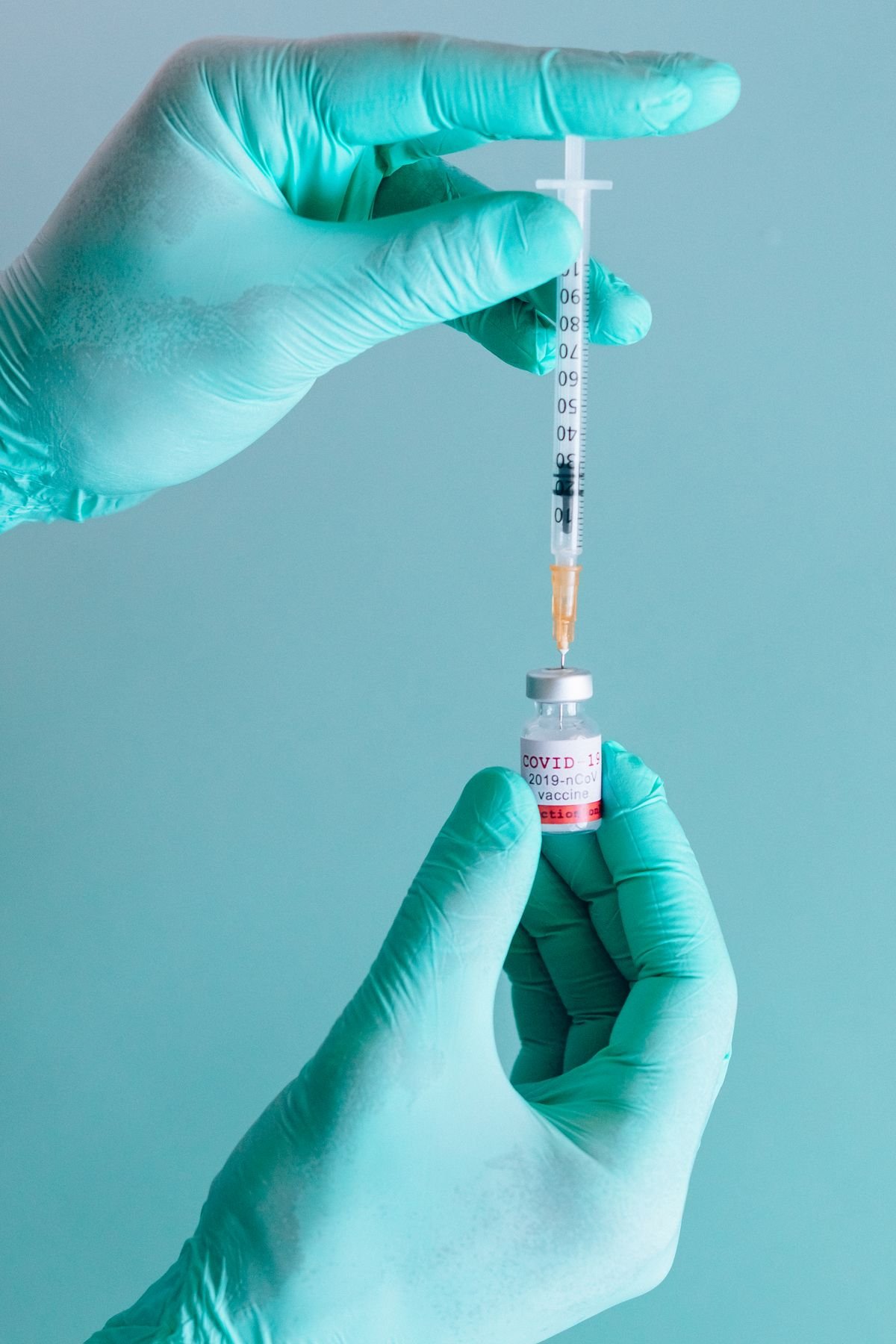
KRAS Pancreatic Cancer Vaccine Shows Safety and Immune Response: What August 2026’s Breakthrough Means
Pancreatic cancer kills approximately 54,000 Americans annually and has a 5-year survival rate of only 12% — one of the worst of any major cancer, largely because it is almost always detected at an advanced stage when treatment options are most limited. A research breakthrough published in August 2026 offers a potential path toward earlier intervention: an experimental vaccine targeting the KRAS mutation — the genetic driver found in over 90% of pancreatic cancers — was found to be safe and produced a measurable anti-tumor immune response in an early clinical trial.
As a pharmacist with 40 years of clinical experience watching pancreatic cancer take patients far too early — often within months of diagnosis — any credible advance in prevention or early treatment is extraordinary news. Here is what this vaccine development means and what Americans should know.
Understanding KRAS: The Common Cancer Driver
KRAS (Kirsten Rat Sarcoma viral proto-oncogene) is a gene that codes for a protein involved in cellular growth signaling. Mutated KRAS locks the growth-signaling pathway in the “on” position permanently — driving uncontrolled cell proliferation. KRAS mutations occur in:
- 90%+ of pancreatic cancers — the most consistent genetic driver of any major cancer
- ~35-45% of colorectal cancers
- ~25-30% of lung adenocarcinomas
KRAS was considered “undruggable” for decades — its smooth protein surface provided no obvious binding site for small molecule inhibitors. The 2021 FDA approval of sotorasib (Lumakras) for KRAS G12C lung cancer marked the first KRAS-targeted therapy, but it addresses only one of the dozen-plus KRAS mutation variants — and not the KRAS G12D/G12V mutations most common in pancreatic cancer.
The August 2026 KRAS Vaccine: What It Does
Rather than targeting KRAS with a drug, the 2026 vaccine approach teaches the immune system to recognize and attack cells carrying KRAS mutations. The vaccine contains peptide sequences (short protein fragments) derived from mutant KRAS proteins — presented to the immune system alongside an adjuvant (immune stimulant) to trigger T cell recognition of KRAS-mutant cells.
- Safety confirmed: No serious adverse events attributed to the vaccine in the trial participants
- Immune response generated: The vaccine produced measurable KRAS-mutation-specific T cell responses — the immune system learned to recognize mutant KRAS as foreign
- Early stage: This is a Phase 1 trial — designed primarily to assess safety; efficacy data in preventing or treating pancreatic cancer requires larger subsequent trials
The Vaccine Strategy: Prevention vs. Treatment
Therapeutic Vaccination (Current Application)
The current KRAS vaccine trials are primarily designed as therapeutic cancer vaccines — given to patients who already have the cancer — to stimulate anti-tumor immune responses alongside other treatments. The goal is to train the immune system to attack KRAS-mutant tumor cells more effectively, potentially improving outcomes from surgery, chemotherapy, or immunotherapy.
Preventive Vaccination (The Long-Term Vision)
The longer-term and more transformative goal is preventive vaccination — giving the vaccine to high-risk individuals (those with KRAS mutations in pancreatic tissue identified through liquid biopsies or genetic screening) before cancer fully develops. Given that KRAS mutations precede pancreatic cancer development by years, a preventive vaccine that eliminates KRAS-mutant precursor cells could prevent cancer from ever fully developing — a truly revolutionary possibility.
mRNA Vaccine Technology — The Personalized Cancer Vaccine Frontier
Some KRAS cancer vaccine programs use mRNA technology — the same platform behind COVID-19 vaccines. mRNA cancer vaccines code for specific tumor mutations, directing immune cells to recognize and attack cancer cells carrying those exact mutations. Personalized mRNA cancer vaccines — designed for each patient’s specific tumor mutation profile — showed remarkable results in a 2023 melanoma trial (Moderna/Merck) and are in active development for pancreatic cancer. The 2026 KRAS peptide vaccine adds to this rapidly advancing personalized cancer immunotherapy landscape.
Pancreatic Cancer Warning Signs Americans Must Know
While the KRAS vaccine advances, early detection remains the most impactful near-term opportunity. Pancreatic cancer’s symptoms are notoriously non-specific and often attributed to other conditions until late stages:
- 🟡 New-onset jaundice (yellowing of skin/whites of eyes) — particularly without gallstones — is a red flag that demands urgent investigation
- 🤕 Upper abdominal or back pain that radiates to the back and improves leaning forward — a characteristic pancreatic cancer pain pattern
- ⚖️ Unexplained weight loss — particularly with loss of appetite and early satiety
- 🩸 New-onset diabetes in older adults without risk factors — up to 25% of pancreatic cancer cases present with new-onset diabetes; elderly patients with sudden glucose abnormalities warrant pancreatic imaging
- 💩 Pale, greasy, floating stools (steatorrhea) — from pancreatic exocrine insufficiency
Risk Reduction Strategies While Vaccines Advance
- 🚭 Don’t smoke: Smoking doubles pancreatic cancer risk — the single most impactful modifiable risk factor
- ⚖️ Maintain healthy weight: Obesity is a significant pancreatic cancer risk factor
- 🍺 Limit alcohol: Heavy alcohol use causes chronic pancreatitis — a major pancreatic cancer risk factor
- 🩸 Control diabetes: Long-standing T2D increases pancreatic cancer risk; GLP-1 medications are associated with possible protective effects
- 🧬 Know family history: Those with multiple first-degree relatives with pancreatic cancer or with BRCA2, PALB2, or ATM mutations have substantially elevated risk and should discuss early surveillance with a specialist
The Bottom Line
The August 2026 KRAS pancreatic cancer vaccine trial showing safety and immune response is an important step in what may eventually become one of the most impactful cancer prevention advances of our era. After 40 years of pharmacy practice watching pancreatic cancer’s devastating and rapid toll, the possibility of a preventive vaccine for the disease’s most common genetic driver represents genuine cause for cautious optimism. This research is early — but the direction is right.
Disclaimer: Our content is for educational purposes only and is not a substitute for professional medical advice, diagnosis, or treatment. The KRAS vaccine is investigational and not yet FDA-approved. If you have pancreatic cancer risk factors, consult your physician. Always seek the advice of your healthcare provider.