The Planetary Health Diet Protects Women’s Hearts After Menopause: What 2026 Research Means for American Women
Cardiovascular disease kills more American women than all cancers combined — yet it remains dramatically underrecognized as a women’s health issue. The risk accelerates sharply after menopause, when the loss of estrogen’s cardioprotective effects rapidly increases LDL cholesterol, blood pressure, and inflammatory markers. A 2026 study has found that a specific plant-based eating pattern called the Planetary Health Diet may provide powerful cardiovascular protection specifically for women after menopause — the period when dietary intervention matters most.
As a pharmacist with 40 years of clinical experience watching menopausal women experience dramatic cardiovascular risk increases, the Planetary Health Diet research is both timely and actionable. Here is what this eating pattern is, why it protects the menopausal heart, and how American women can implement it.
What Is the Planetary Health Diet?
The Planetary Health Diet was developed by the EAT-Lancet Commission in 2019 — a consortium of 37 leading scientists — to define an eating pattern that simultaneously optimizes human health and environmental sustainability. It represents a significant shift in how dietary guidance is framed, emphasizing both personal health and planetary impact.
Core Components
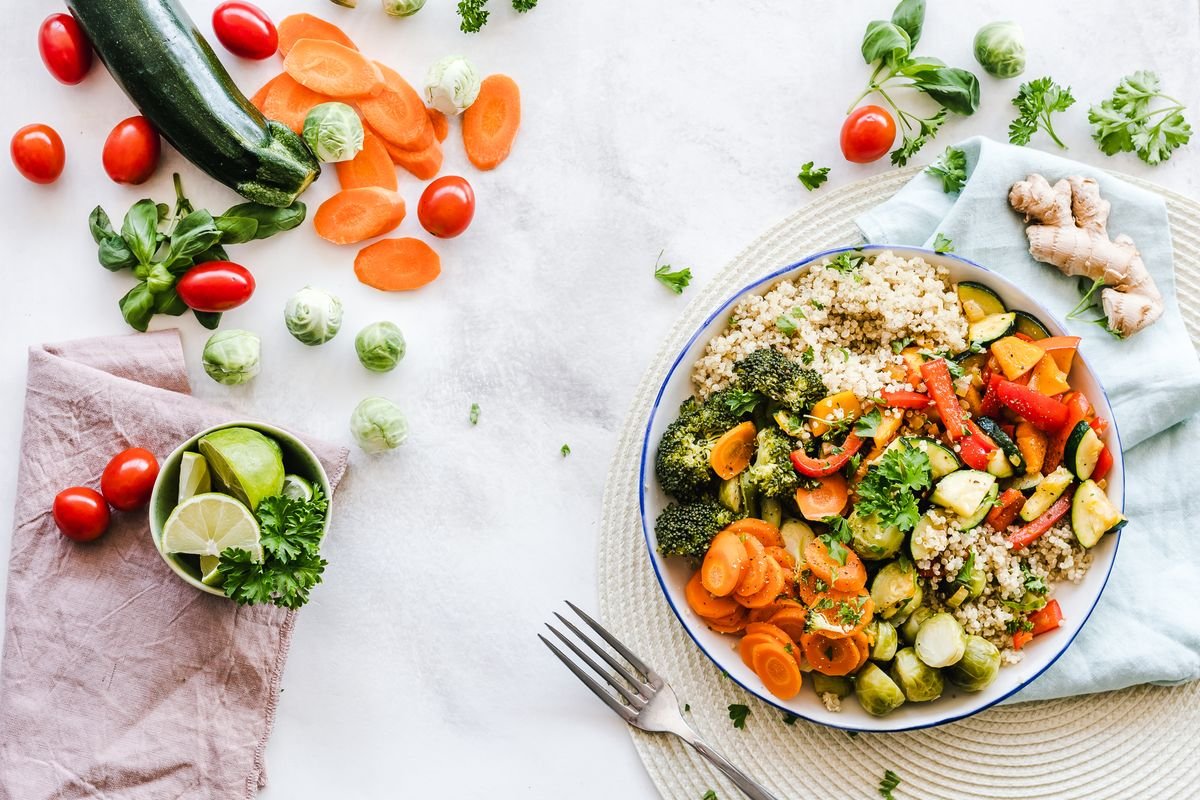
- 🌿 Vegetables and fruits: Half of daily calories — minimum 5 servings across diverse types
- 🫘 Legumes (beans, lentils, chickpeas): Daily; primary protein source
- 🌾 Whole grains (not refined): The primary carbohydrate source
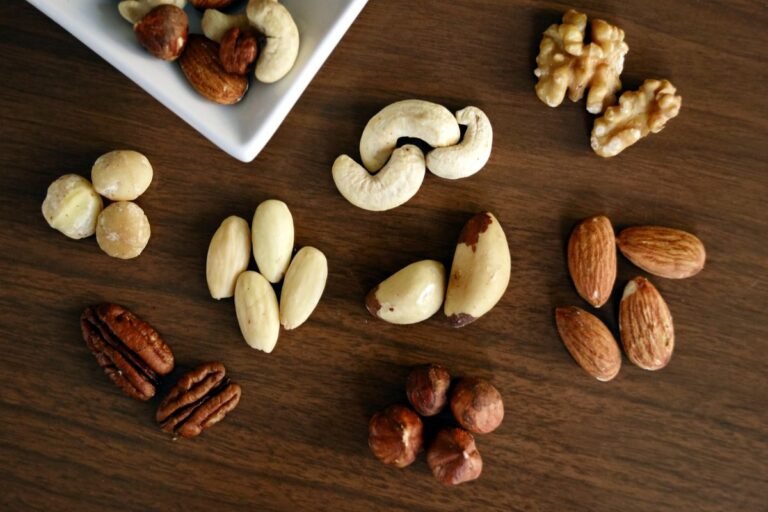
- 🥜 Nuts: Daily handful — healthy fat and protein
- 🐟 Fish: 1-2 servings weekly
- 🥚 Eggs: Up to 1.5 per day
- 🥛 Dairy: Limited — up to 1 serving daily
- 🍗 Poultry: Modest amounts (2 servings per week)
- 🥩 Red meat: Minimal — 1 small serving per week maximum
- 🚫 Ultra-processed foods, added sugars, and refined grains: Minimal
Why Menopause Dramatically Increases Cardiovascular Risk
The Estrogen Loss Cascade
- LDL cholesterol rises 10-15% within the first year of menopause as estrogen-mediated LDL receptor activity declines
- HDL (protective) cholesterol decreases — worsening the lipid risk profile simultaneously
- Blood pressure increases — estrogen maintains endothelial nitric oxide production that naturally controls blood pressure
- Visceral fat accumulates — body fat distribution shifts from peripheral (gluteal-femoral) to central (abdominal) — a highly pro-inflammatory change
- Insulin sensitivity declines — increasing metabolic syndrome risk dramatically in the post-menopausal period
- Systemic inflammation increases — hs-CRP and inflammatory cytokines rise with estrogen loss
How the Planetary Health Diet Protects the Menopausal Heart
1. LDL Reduction Through Plant Sterols and Soluble Fiber
The high legume, vegetable, and whole grain content of the Planetary Health Diet provides abundant plant sterols (which compete with cholesterol absorption in the gut) and soluble fiber (which binds bile acids, forcing cholesterol to be used for their replacement). The combination reduces LDL cholesterol by 10-15% — directly addressing the post-menopausal LDL rise without medication.
2. Anti-Inflammatory Pattern
The high polyphenol content from diverse fruits and vegetables, the omega-3 from fish and nuts, and the minimal ultra-processed food content create a strongly anti-inflammatory dietary pattern. Post-menopausal inflammation — a major cardiovascular risk driver — is directly addressed through multiple complementary mechanisms.
3. Phytoestrogen Effects
The high legume content — particularly soy foods (tofu, edamame, soy milk) — provides isoflavones (genistein, daidzein) that weakly bind estrogen receptors. In the context of post-menopausal estrogen deficiency, dietary phytoestrogens may provide modest cardiovascular protection through endothelial function improvement and LDL reduction — effects documented in multiple clinical trials of soy isoflavones in menopausal women.
4. Visceral Fat Reduction
The reduced caloric density, high fiber content, and minimal ultra-processed food of the Planetary Health Diet naturally support healthy weight maintenance — directly counteracting the visceral fat accumulation that drives post-menopausal metabolic syndrome.
Practical Implementation for American Women
The Weekly Meat Swap Strategy
The most impactful single change is reducing red meat from daily or multiple-times-weekly to once weekly — and replacing it with legumes, fish, or plant-based proteins. This single swap reduces saturated fat, increases fiber, and improves the omega-6/omega-3 ratio simultaneously.
Practical Daily Meal Framework
- 🌅 Breakfast: Oatmeal with berries, ground flaxseed, and a handful of walnuts; or eggs with vegetables
- 🌞 Lunch: Large salad with chickpeas, variety of colorful vegetables, olive oil and lemon dressing; whole grain bread
- 🌙 Dinner: Salmon or lentil-based dish with roasted vegetables and quinoa or brown rice
- 🍎 Snacks: Fruit, a small handful of mixed nuts, or hummus with vegetables
Key Nutrients to Monitor for Postmenopausal Women on Plant-Focused Diet
- Calcium: Critical post-menopause for bone protection; target 1,200mg daily from food + supplement if needed
- Vitamin D: Required with calcium for bone and cardiovascular protection
- B12: From fish, eggs, dairy (limited in plant-focused diet); supplement if intake is borderline
- Iron: Plant-based iron (non-heme) is less bioavailable; consume with vitamin C to enhance absorption
The Bottom Line
The 2026 finding that the Planetary Health Diet specifically protects the menopausal heart addresses one of the most important and underserved periods of women’s cardiovascular health. After 40 years of pharmacy practice watching post-menopausal women face dramatically increased cardiovascular risk — often without the same aggressive treatment that men with equivalent risk receive — dietary intervention through the Planetary Health Diet framework offers a powerful, evidence-supported foundation that every woman entering menopause should know about.
Disclaimer: Our content is for educational purposes only and is not a substitute for professional medical advice, diagnosis, or treatment. Consult your physician or registered dietitian for personalized dietary guidance, especially during menopause. Always seek the advice of your healthcare provider.