Low Arginine Lets Cancer Evade Your Immune System: What August 2026’s Research Means for Americans
The immune system’s ability to detect and destroy cancer cells and viruses depends on a complex molecular machinery — and a simple amino acid may be one of its most important fuels. An August 3, 2026 study has identified a striking connection: low arginine levels may allow cancer cells and viruses to slip past the immune system by reducing production of a crucial cellular warning protein — and in mice, arginine-rich diets led to fewer tumors and better immune responses against cancer.
As a pharmacist with 40 years of clinical experience, arginine is an amino acid I have counseled patients on across multiple contexts — wound healing, cardiovascular health, and now cancer immunology. This emerging immune function role adds an important new dimension to understanding this conditionally essential nutrient. Here is what Americans need to know.
What Is Arginine and Why Is It “Conditionally Essential”?
L-arginine is an amino acid the body can synthesize from other amino acids — primarily citrulline — meaning it is not strictly “essential” in the way that nine amino acids must be obtained from diet. However, it becomes “conditionally essential” — meaning dietary intake becomes critical — during:
- Illness, infection, and cancer (dramatically increased demand)
- Aging (reduced synthesis capacity)
- Critical illness and surgery (massively increased requirement)
- Periods of rapid growth
- Significant physiological stress
Under these conditions, the body cannot produce sufficient arginine, and dietary/supplemental sources become important for maintaining arginine-dependent biological functions.
The August 2026 Study: How Arginine Fuels Immune Defense
The study found that low arginine levels reduce production of a key cellular warning protein that the immune system uses to identify and flag cancer cells and virally infected cells for destruction. The specific mechanism involves arginine’s role in producing nitric oxide (NO) through the enzyme nitric oxide synthase (NOS):
- T cells (the immune system’s primary cancer-killing cells) require arginine for activation, proliferation, and cytokine production
- Natural killer (NK) cells depend on arginine for their cytotoxic (cancer-killing) function
- Nitric oxide produced from arginine is directly cytotoxic to cancer cells and virally infected cells
- When arginine is depleted — as happens in tumor microenvironments where cancer cells consume arginine — T cell and NK cell function collapses, allowing immune evasion
The Cancer’s Arginine Hijack
One of the most fascinating aspects of the August 2026 research is that many cancers actively deplete arginine as an immune evasion strategy. Tumors overexpress arginase — an enzyme that consumes arginine — creating local arginine deficiency that paralyzes the immune cells attempting to attack the tumor. This arginine depletion strategy has been identified in multiple cancer types including colorectal, prostate, and lung cancers.
Arginine’s Biological Functions Beyond Immunity
Nitric Oxide Production — Cardiovascular Health
Arginine → Nitric oxide is one of the most important biochemical reactions for cardiovascular health. Nitric oxide relaxes blood vessel walls, reduces blood pressure, prevents platelet aggregation, and maintains endothelial health. This is why arginine supplementation has been studied for hypertension, erectile dysfunction, and peripheral artery disease — all conditions involving nitric oxide deficiency.
Wound Healing and Tissue Repair
Arginine is a precursor for proline — a critical component of collagen synthesis. Wound healing, post-surgical recovery, and tissue regeneration all have dramatically increased arginine requirements. Clinical nutrition protocols for surgical patients and wound care routinely include arginine supplementation based on strong evidence of improved healing outcomes.
Growth Hormone Secretion
Arginine is a potent stimulator of growth hormone (GH) release — which is why it appears in many athletic recovery and anti-aging supplement formulations. GH stimulated by arginine supports muscle protein synthesis and fat mobilization, though the magnitude of this effect varies significantly by individual and dosing.
Food Sources of Arginine
- 🥩 Turkey and chicken breast: 2-3g per 6oz serving
- 🐟 Salmon and tuna: 1.5-2g per serving
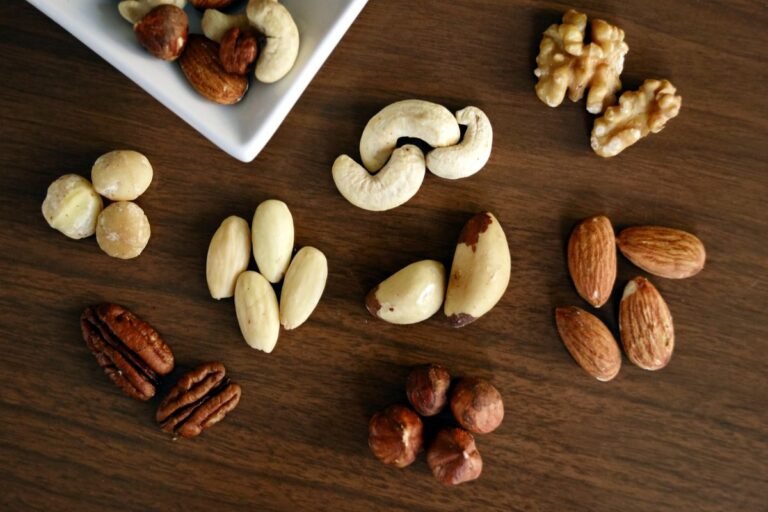
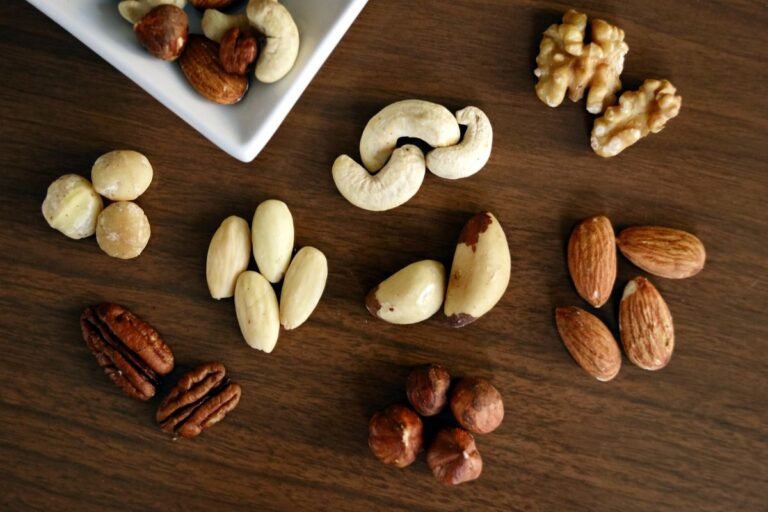
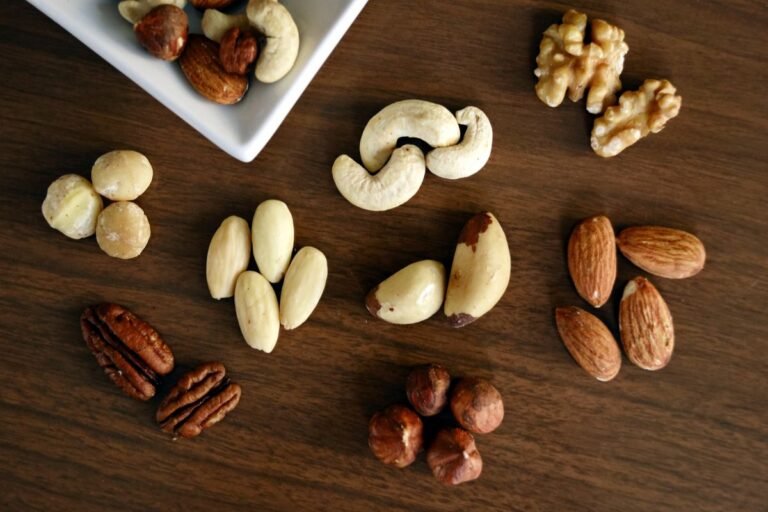
- 🫘 Pumpkin seeds: 6.9g per cup — highest plant source
- 🥜 Peanuts: 4.6g per cup
- 🌰 Walnuts: 4.5g per cup
- 🥛 Dairy (milk, yogurt): 0.3-0.7g per serving
- 🫘 Soybeans/edamame: 5.8g per cup
- 🫘 Lentils: 1.3g per cup cooked
Arginine Supplementation: What the Pharmacist Recommends
Dosing
- Immune support: 3-6g daily in divided doses
- Cardiovascular support: 2-3g three times daily (total 6-9g)
- Pre-exercise (for nitric oxide/pump effect): 3-6g 30-60 minutes before exercise
- Better absorbed as citrulline: L-citrulline is more efficiently converted to arginine in the body than arginine itself — 3-5g citrulline equivalent to 6-9g arginine for NO production
Important Cautions
- ⚠️ Herpes simplex virus: Arginine promotes HSV replication — those with recurrent herpes outbreaks should be cautious with high-dose arginine and consider balancing with lysine
- ⚠️ Blood pressure medications: Arginine can potentiate the effects of antihypertensives — monitor blood pressure and discuss with physician
- ⚠️ Active cancer patients: Discuss arginine supplementation with your oncologist — while the August 2026 data suggests benefit, some cancer types may respond differently
- ✅ General immune support: At dietary doses (3-6g/day), arginine is safe for most healthy adults
The Bottom Line
The August 2026 finding that arginine deficiency impairs immune detection of cancer and viruses adds an important immunological dimension to this amino acid’s already well-established cardiovascular and wound-healing roles. After 40 years of pharmacy practice, I view the arginine-immune axis research as validating the importance of adequate protein intake and diverse amino acid sufficiency — not just for muscle and tissue health, but for immune vigilance against cancer. Eat protein-rich foods, consider citrulline or arginine supplementation as appropriate, and discuss with your physician if you have cancer risk concerns.
Disclaimer: Our content is for educational purposes only and is not a substitute for professional medical advice, diagnosis, or treatment. Consult your physician before starting arginine supplements, especially if you have cancer, herpes, or cardiovascular conditions. Always seek the advice of your healthcare provider.