
Pancreatic Cancer: Warning Signs, Risk Factors, and Prevention Strategies Americans Need to Know in 2026
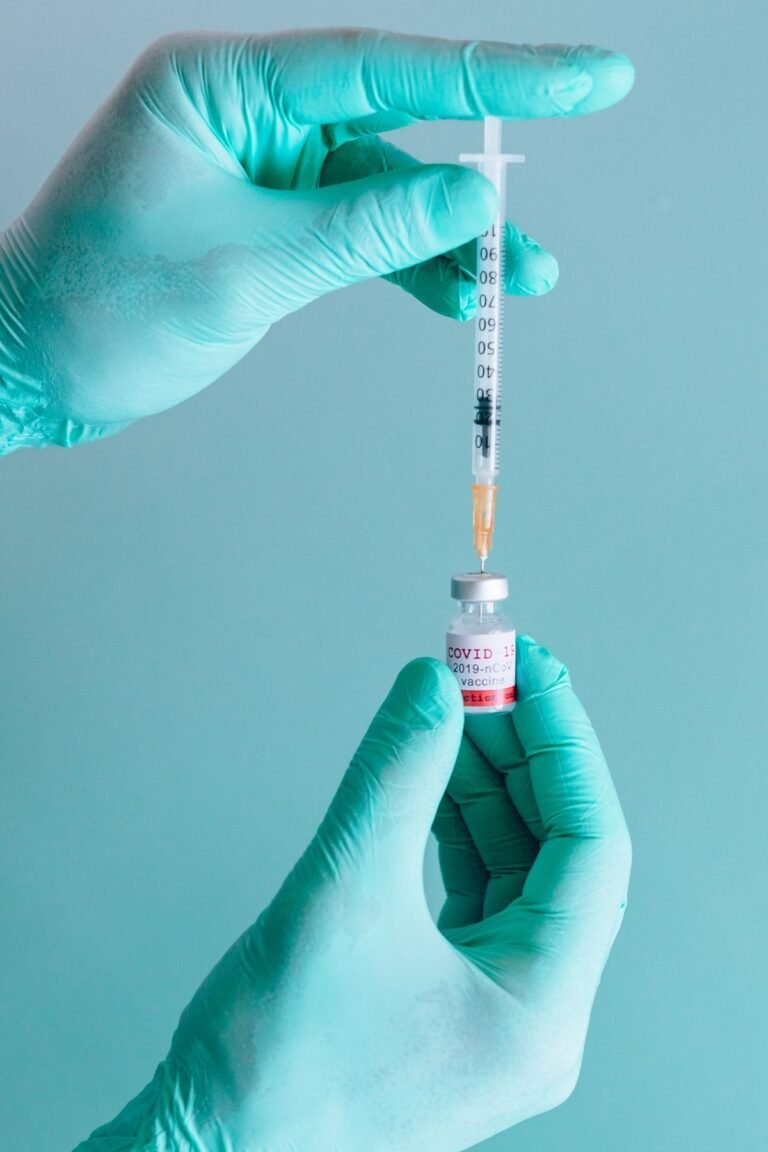
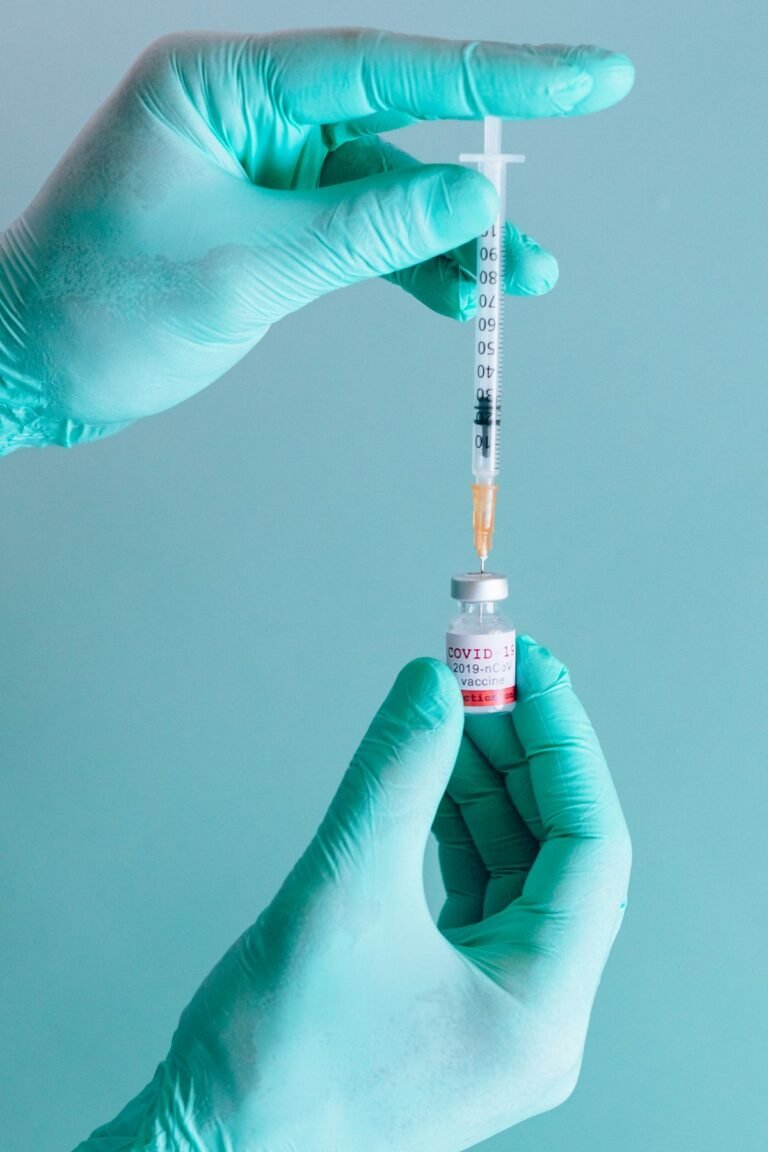
Pancreatic cancer carries a devastatingly frank statistic: approximately 80-85% of patients are diagnosed at a stage when surgery is no longer possible, and the overall 5-year survival rate remains below 13% — the lowest of any major cancer type. A June 4, 2026 breakthrough published in a landmark clinical trial found a new drug, daraxonrasib, targeting the KRAS mutation nearly doubles survival for pancreatic cancer patients — offering the first real hope in years for a disease that has resisted treatment advances that have transformed outcomes for other cancers.
As a pharmacist with 40 years of clinical experience watching patients receive this diagnosis and understanding the limited options, I want to focus this article on what can actually help Americans right now: recognizing early warning signs, understanding your risk factors, and implementing the lifestyle strategies with genuine evidence for prevention. Because in a cancer where treatment options remain limited, prevention and early detection are everything.
Understanding Pancreatic Cancer
The pancreas has two primary functions: producing digestive enzymes (exocrine function) and producing hormones including insulin (endocrine function). Approximately 95% of pancreatic cancers are pancreatic ductal adenocarcinoma (PDAC) — arising from the exocrine cells lining the pancreatic ducts. These cancers are particularly aggressive because:
- The pancreas is deep in the abdomen with no early-detection symptom trigger
- Early stage PDAC causes no symptoms or symptoms easily attributed to other conditions
- The cancer spreads to blood vessels and lymph nodes early in its development
- The dense fibrous tissue (stroma) surrounding pancreatic tumors limits chemotherapy drug delivery
- KRAS mutations — present in approximately 90% of pancreatic cancers — have historically been “undruggable”
The June 2026 Daraxonrasib Breakthrough
The June 4, 2026 publication represents a genuine breakthrough in targeting what has been considered the most intractable mutation in cancer biology. Daraxonrasib is a KRAS G12D inhibitor — specifically designed to bind to and disable the most common KRAS mutation variant found in pancreatic cancer (approximately 40% of all PDAC).
The trial found that patients receiving daraxonrasib had significantly improved progression-free survival — representing the first KRAS-targeted agent to show meaningful clinical benefit specifically in pancreatic cancer. This is particularly significant because KRAS mutations were deemed completely “undruggable” as recently as 5 years ago.
Current status: Phase 2 results; Phase 3 trials underway. Not yet FDA-approved as of June 2026. But the direction of this research represents a turning point in pancreatic cancer therapy.
Warning Signs Americans Must Know
Most pancreatic cancer symptoms appear only after the disease has advanced — which is the tragedy of this cancer. However, some signs can appear earlier and warrant urgent evaluation:
Symptoms That Warrant Prompt Medical Evaluation
- 🟡 Jaundice (yellowing of skin and eyes) — one of the more early-appearing symptoms, caused by bile duct obstruction. Any unexplained jaundice requires urgent evaluation.
- 💪 Unexplained back or upper abdominal pain — often described as a deep, dull ache radiating to the back. Can be the first symptom in 70% of patients.
- ⚖️ Unexplained significant weight loss — particularly with any digestive changes
- 🍽️ Loss of appetite and nausea — persistent, not explained by other conditions
- 💩 Pale, greasy, floating stools — malabsorption from pancreatic duct obstruction; stool that floats and smells particularly foul can indicate fat malabsorption
- 🩸 New-onset diabetes in adults over 50 with no family history — one of the most important early warning signs; approximately 1% of adults with new-onset diabetes over 50 have pancreatic cancer. This symptom deserves investigation.
- 🩸 Sudden worsening of previously controlled diabetes — unexplained insulin resistance changes in existing diabetics
- 🤒 Pancreatitis without obvious cause (not from alcohol or gallstones) — warrants investigation for underlying tumor
- 🫀 Deep vein thrombosis or pulmonary embolism without clear cause — pancreatic cancer can be associated with clotting abnormalities
⚠️ Critical note: Most patients with these symptoms do NOT have pancreatic cancer. But any of these symptoms — particularly jaundice, unexplained weight loss, or new-onset diabetes in a middle-aged or older adult — warrant prompt medical evaluation rather than watchful waiting.
Risk Factors: Know Your Personal Risk
Modifiable Risk Factors (You Can Change These)
- 🚭 Smoking — strongest modifiable risk factor: Doubles the risk of pancreatic cancer; responsible for 20-30% of all cases. Smoking causes DNA damage in pancreatic cells and worsens the inflammatory environment. Quitting smoking reduces risk progressively over 10+ years.
- ⚖️ Obesity: BMI above 30 associated with 20% higher pancreatic cancer risk; central obesity particularly impactful through insulin resistance and inflammatory pathways
- 🍺 Heavy alcohol use: Causes chronic pancreatitis, which is itself a risk factor for pancreatic cancer
- 🩸 Type 2 diabetes: Both a risk factor and an early symptom — a complex bidirectional relationship. Long-standing diabetes increases risk by 50-100%
- 🍔 High red/processed meat consumption: Multiple studies show association; the nitrosamines and heterocyclic amines from high-temperature meat cooking may contribute
Non-Modifiable Risk Factors
- Age: 95% of cases occur after age 45; median diagnosis age is 71
- Family history: 5-10% of cases are hereditary; first-degree relative with pancreatic cancer increases risk 2-3x; 3+ affected relatives increases risk dramatically
- Genetic syndromes: BRCA2 mutations (3.5x risk), Lynch syndrome, Peutz-Jeghers syndrome, familial atypical mole-malignant melanoma (FAMMM), and hereditary pancreatitis all significantly increase risk
- Chronic pancreatitis: Longstanding inflammation is a significant risk factor
- Male sex: Slightly higher incidence in men
Evidence-Based Prevention Strategies
1. Don’t Smoke (or Quit if You Do) — The #1 Prevention Action
Smoking cessation is the most powerful preventive action for pancreatic cancer. Within 10 years of quitting, former smokers approach never-smoker risk levels. All smoking cessation resources — varenicline, bupropion, NRT, combination therapy, behavioral counseling — are worth pursuing aggressively. Talk to your pharmacist or physician about the most effective cessation strategy.
2. Maintain Metabolic Health
Given the strong connections between insulin resistance, Type 2 diabetes, obesity, and pancreatic cancer, metabolic health optimization is directly protective. The strategies covered in our blood sugar control article — high-fiber diet, regular exercise, adequate sleep, stress management — are specifically relevant here as well.
3. Anti-Inflammatory Diet
Multiple large cohort studies consistently show Mediterranean-pattern eating is associated with lower pancreatic cancer risk. Specific protective associations include:
- High fruit and vegetable intake (particularly cruciferous vegetables)
- Legume consumption
- Whole grain intake
- Fatty fish consumption (omega-3 anti-inflammatory effects)
- Extra virgin olive oil
- Reducing red and processed meat
4. If You Have High Risk — Surveillance
For individuals with hereditary risk factors, pancreatic cancer surveillance programs are available at major cancer centers. The International Cancer of the Pancreas Screening (CAPS) Consortium recommends surveillance with endoscopic ultrasound (EUS) and/or MRI for high-risk individuals including:
- Known BRCA2, PALB2, ATM, BRCA1 mutation carriers with a first-degree relative with pancreatic cancer
- Lynch syndrome with at least one first-degree relative with pancreatic cancer
- Familial pancreatic cancer kindreds with 2+ affected first-degree relatives
- Peutz-Jeghers syndrome (all cases, regardless of family history)
If you have a family history of pancreatic cancer, discuss genetic counseling and surveillance eligibility with your physician or a hereditary cancer specialist.
5. Blood Sugar Monitoring for Adults Over 50
Given that new-onset diabetes in adults over 50 is one of the earliest detectable signals of pancreatic cancer, HbA1c and fasting glucose should be part of routine annual screening for all adults in this age group. Any new diabetes diagnosis after age 50 without obvious risk factors warrants imaging of the pancreas.
The Bottom Line
Pancreatic cancer remains one of medicine’s most challenging diseases — but June 2026’s daraxonrasib data suggests the wall around its most common mutation is finally cracking. The direction of treatment research is genuinely more hopeful than it has been in decades.
For Americans right now, the most impactful actions remain prevention and early recognition. Don’t smoke. Maintain metabolic health. Know your family history. And take new-onset diabetes after 50 seriously — it is one of the very few windows into early-stage pancreatic disease available to us.
Disclaimer: Our content is for educational purposes only and is not a substitute for professional medical advice, diagnosis, or treatment. Any concerning symptoms should be evaluated promptly by a physician. If you have a family history of pancreatic cancer, discuss genetic counseling and surveillance with your healthcare provider. Always seek the advice of your physician.