Choline: The Brain Nutrient 90% of Americans Are Missing (And Why It Matters for Anxiety and Memory)
A landmark brain imaging study published in May 2026 found something striking: people with anxiety disorders have significantly lower levels of choline in the prefrontal cortex — the brain region governing emotional control, decision-making, and cognitive function. The finding adds to a growing body of evidence suggesting that choline, a nutrient most Americans have barely heard of, may be one of the most important nutritional deficiencies affecting mental and cognitive health in America today.
Here’s the alarming context: an estimated 90% of Americans don’t consume adequate choline. Yet choline affects brain development, memory, nerve function, liver health, and metabolic processes throughout the body. As a pharmacist with 40 years of clinical experience, I’ve watched nutritional science evolve around overlooked nutrients — and choline deserves far more attention than it’s getting.
What Is Choline and Why Is It Essential?
Choline is a water-soluble nutrient that is neither a vitamin nor a mineral but is classified as an essential nutrient — your body can synthesize some but not enough to meet full needs. It was only officially recognized as essential by the Institute of Medicine in 1998, which explains why it’s absent from many standard nutrition discussions.
Choline serves four critical biological functions:
- 🧠 Acetylcholine synthesis: Choline is the direct precursor to acetylcholine — the neurotransmitter essential for memory, learning, attention, and muscle control. Alzheimer’s disease is characterized by acetylcholine deficiency.
- 🧱 Cell membrane integrity: Phosphatidylcholine is a major component of every cell membrane in the body — critical for cellular communication and membrane repair
- 🫀 Methyl donor metabolism: Choline provides methyl groups for epigenetic regulation, homocysteine metabolism (cardiovascular risk), and neurotransmitter synthesis
- 🫘 Liver function: Essential for VLDL production and fat transport from the liver; choline deficiency causes non-alcoholic fatty liver disease (NAFLD)
The Choline-Brain Connection: What the 2026 Research Shows
Anxiety — The May 2026 Finding
The recent major brain imaging analysis found that people with anxiety disorders had noticeably lower choline levels in the prefrontal cortex. This aligns with the known role of acetylcholine in emotional regulation — the prefrontal cortex uses acetylcholine to modulate amygdala (fear center) responses. When choline is inadequate, the prefrontal cortex may lose some of its capacity to regulate anxiety responses effectively.
Memory and Cognitive Function
Acetylcholine is the neurotransmitter most directly involved in memory formation and retrieval. Low acetylcholine is one of the earliest neurochemical changes in Alzheimer’s disease — which is why the first generation of Alzheimer’s drugs (donepezil, rivastigmine) work by preventing acetylcholine breakdown. Adequate dietary choline throughout life may help maintain acetylcholine levels and reduce Alzheimer’s risk.
A Boston University study following 1,400 adults for 10 years found higher choline intake was associated with significantly better verbal memory, visual memory, and processing speed on cognitive testing.
Fetal Brain Development
Choline is particularly critical during pregnancy. The developing fetal brain depends on maternal choline for acetylcholine production, neural tube development, and lifelong cognitive capacity. Multiple studies show higher maternal choline intake during pregnancy is associated with improved childhood memory, processing speed, and reduced risk of neural tube defects.
Critically, the Adequate Intake (AI) for choline during pregnancy is 450mg/day — yet surveys show most pregnant American women consume only 300-350mg. And most prenatal vitamins contain zero choline.
Signs You May Be Choline Deficient
- Poor memory and difficulty learning new information
- Anxiety, mood instability, or increased emotional reactivity
- Brain fog and poor concentration
- Muscle weakness (acetylcholine drives neuromuscular signaling)
- Fatty liver or elevated liver enzymes on blood tests
- Elevated homocysteine levels
- Fatigue that doesn’t respond to sleep
There’s no standard clinical blood test for choline deficiency — making dietary adequacy the most practical assessment tool.
Who Is Most at Risk for Choline Deficiency?
- 🤰 Pregnant women — highest needs, most critical time, most poorly addressed by prenatal vitamins
- 🌱 Vegans and vegetarians — choline is concentrated in animal foods; plant-based diets typically provide much less
- 🧬 MTHFR gene variants — impaired methylation increases choline requirements for methyl group donation
- 🍺 Heavy alcohol drinkers — alcohol depletes choline and worsens fatty liver risk
- 👴 Older adults — choline needs may increase with age-related decline in acetylcholine production
- 🥗 Low-egg, low-meat eaters — avoiding the primary dietary choline sources without replacement
The Best Food Sources of Choline
The Adequate Intake (AI) for choline is 425mg/day (women) and 550mg/day (men). Here are the best sources:
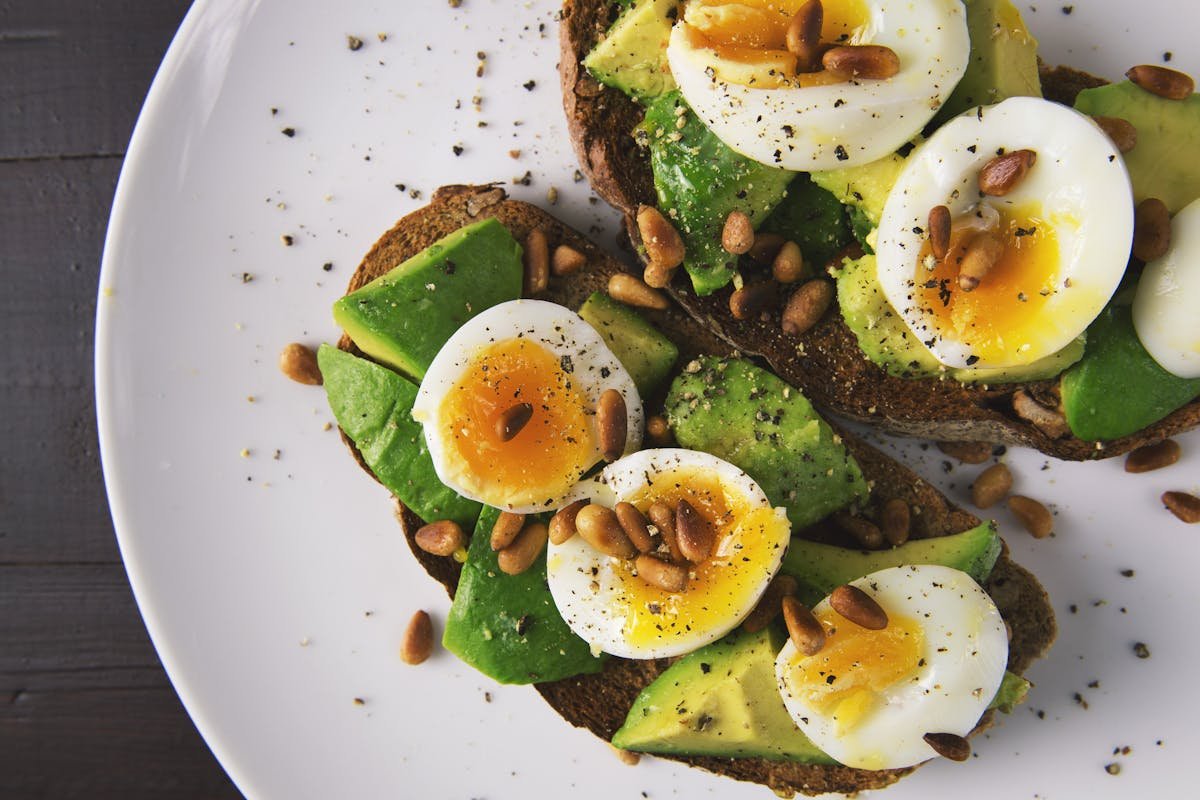
- 🥚 Egg yolks: 147mg per large egg — the most bioavailable choline source. One of the most compelling arguments for eating whole eggs daily. The choline is in the yolk, not the white.
- 🫘 Beef liver: 356mg per 3oz — the richest food source; one serving provides more than a full day’s needs
- 🐟 Salmon: 187mg per 3oz — excellent seafood source
- 🐄 Beef (lean): 117mg per 3oz
- 🐔 Chicken breast: 73mg per 3oz
- 🫘 Soybeans (edamame): 107mg per half cup — best plant source
- 🥜 Peanuts: 24mg per oz
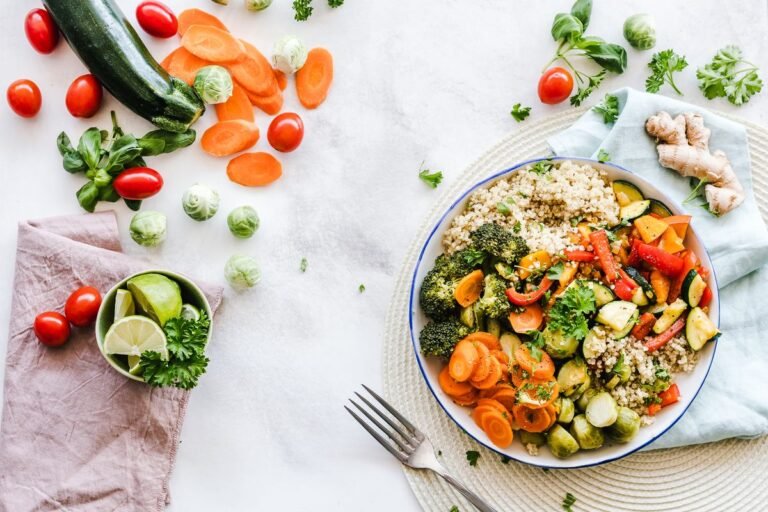
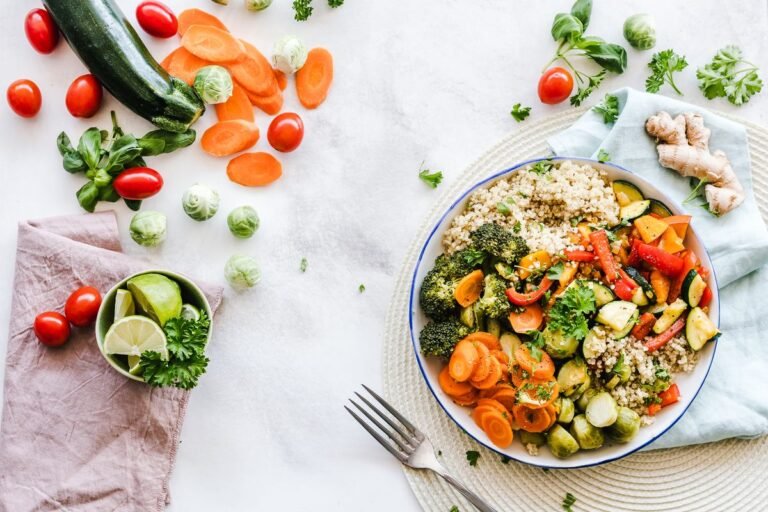
- 🥦 Brussels sprouts: 63mg per cup — best vegetable source
- 🥦 Broccoli: 62mg per cup
- 🥛 Whole milk: 43mg per cup
Practical calculation: 2 whole eggs + 3oz salmon + 1 cup broccoli = ~462mg choline — meeting women’s daily needs in three foods.
Choline Supplements — A Pharmacist’s Guide
Best Forms of Choline Supplements
- CDP-Choline (Citicoline): Most studied for cognitive function; crosses blood-brain barrier efficiently; the form used in most brain health research. Dose: 250-500mg daily.
- Alpha-GPC: Highest choline bioavailability; preferred by many neurologists for cognitive support; particularly studied in Alzheimer’s prevention. Dose: 300-600mg daily.
- Phosphatidylcholine: Good for liver health and systemic choline needs; most similar to food-form choline
- Choline bitartrate: Most affordable; adequate for general supplementation but lower brain penetration than CDP-choline or Alpha-GPC
Choline in Prenatal Vitamins
This is a critical gap: most standard prenatal vitamins contain zero choline. Pregnant women should specifically look for prenatal vitamins containing at least 200-400mg choline, or add a separate choline supplement. Brands like Ritual and Needed include meaningful choline amounts; traditional prenatal vitamins like One-A-Day and Flintstones typically do not.
Upper Limit and Potential Side Effects
The tolerable upper limit is 3,500mg daily. At high doses, fishy body odor (trimethylamine production) can occur — this is dose-dependent and reversible. Choline supplements at therapeutic doses are generally well tolerated.
The Egg Rehabilitation: Why You Should Eat More Whole Eggs
The fear of egg yolks due to dietary cholesterol concerns has been one of the most nutritionally counterproductive messages in American health history — and choline is a significant reason why. Egg yolks are irreplaceable as a choline source, providing the most bioavailable form alongside a complete amino acid profile, vitamin D, lutein for eye health, and B12.
Current evidence does not support limiting egg consumption for cardiovascular risk in most healthy adults. The American Heart Association has moved away from specific egg limits. Eating 2-3 whole eggs daily is one of the most nutrient-dense dietary habits an American can adopt.
The Bottom Line
Choline is one of the most important and most overlooked nutrients in American health. The 2026 research linking choline deficiency to anxiety adds to substantial existing evidence for its role in memory, cognitive aging, liver health, and fetal brain development.
After 40 years of pharmacy practice, I’d add choline to the short list of nutrients most Americans should actively track and optimize — alongside vitamin D, magnesium, and omega-3s. Eat your egg yolks. Include fatty fish and lean meat regularly. If you’re pregnant or vegetarian, consider a choline supplement. Your brain is literally made to run on it.
Disclaimer: Our content is for educational purposes only and is not a substitute for professional medical advice, diagnosis, or treatment. Always consult your physician before starting any supplement regimen, especially during pregnancy.