Microplastics Are in Your Blood and Brain: What the Science Says and What to Do About It
In 2022, researchers made a discovery that should have been headline news for months: microplastics were found in human blood for the first time. Since then, they’ve been detected in human lungs, breast milk, placentas, testicles, hearts, and — in a landmark 2024 study — in human brain tissue. The average American is estimated to consume a credit card’s worth of plastic every week through food, water, and air.
The Global Wellness Summit identified microplastics as one of the most urgent emerging health concerns of 2026, noting that the medical and wellness sectors are moving from awareness to active intervention. As a pharmacist with 40 years of experience watching environmental toxins impact patient health, I can tell you: the science on microplastics is early but deeply concerning. And the precautionary steps we can take now are reasonable, achievable, and worth doing.
What Are Microplastics (and Nanoplastics)?
Microplastics are plastic particles smaller than 5 millimeters — from microscopic fragments invisible to the eye down to particles measured in microns. Nanoplastics are even smaller (below 1 micron) and more biologically concerning because their tiny size allows them to penetrate cell membranes, cross the blood-brain barrier, and accumulate in organs.
They come from two primary sources:
- Primary microplastics: Manufactured at micro-scale for specific uses — microbeads in personal care products (largely banned), synthetic textile fibers shed during washing (largest source globally), tire rubber particles from roads
- Secondary microplastics: Larger plastic items breaking down through UV exposure, physical weathering, and chemical degradation — plastic bottles, packaging, bags, disposable containers
Where Microplastics Have Been Found in the Human Body
The rapid accumulation of detection studies over the past three years has been alarming:
- 🩸 Blood (2022 — first confirmed): 77% of blood donors tested had detectable microplastics
- 🫁 Lungs (2022): Microplastics found in all 11 lung tissue samples studied, including deep lung tissue
- 👶 Breast milk (2022): Detected in 75% of breast milk samples tested in Italy
- 🤰 Placenta (2020): Found on both maternal and fetal sides of all 6 human placentas studied
- 🫀 Heart tissue (2023): Found in cardiac tissue of patients undergoing heart surgery; those with higher microplastic burden had worse cardiovascular outcomes
- 🧠 Brain tissue (2024): A landmark study found microplastics in all 24 human brain samples — at concentrations 7-30 times higher than found in the liver and kidneys
- 🧪 Testicles (2024): Detected in all human and dog testicular samples tested; dog testicle concentrations correlated with lower sperm counts
- 🫀 Arterial plaque (2024 NEJM): Patients with microplastics in their arterial plaque had a 4.5x higher risk of heart attack, stroke, or death over 34 months
The Health Effects: What the Science Currently Shows
I want to be precise about what we know versus what is suspected. The science is early, primarily observational, and evolving rapidly. Here’s the honest picture:
Cardiovascular Disease — The Strongest Evidence
The March 2024 New England Journal of Medicine study was the most alarming to date. Researchers found microplastics and nanoplastics in the arterial plaque of 150 patients who had carotid endarterectomy surgery. Those with detectable particles had a 4.5-fold higher rate of heart attack, stroke, or cardiovascular death over the following 34 months compared to those without detectable particles — even after controlling for traditional cardiovascular risk factors.
This is the first study linking microplastic exposure to actual cardiovascular events in humans. It is a significant finding that warrants serious attention.
Endocrine Disruption (Hormonal Effects)
Many plastics contain or absorb chemical additives — including phthalates, bisphenols (BPA, BPS), and PFAS (“forever chemicals”) — that act as endocrine disruptors. These chemicals mimic or block hormones, and significant human exposure evidence links them to:
- Earlier puberty onset in girls
- Reduced testosterone and sperm quality in men
- Thyroid dysfunction
- Increased breast and prostate cancer risk
- Disrupted insulin signaling and increased diabetes risk
- Reproductive disorders including PCOS and endometriosis
Inflammation
Microplastic particles — particularly at the nanoscale — trigger inflammatory responses in cell cultures and animal studies. If this effect translates to humans at typical exposure levels (which we don’t yet know for certain), microplastics could be a driver of systemic chronic inflammation — itself the root cause of most modern chronic diseases.
Neurological Concerns
The 2024 brain tissue study showing microplastics concentrated in human brain tissue — at levels higher than other organs — has raised significant concern. In animal studies, brain microplastic accumulation correlates with behavioral changes, memory impairment, and neuroinflammation. Human studies are underway but not yet published.
Reproductive Health
Multiple studies across multiple countries have found correlations between phthalate and BPA exposure and reduced sperm quality, fertility issues, and adverse pregnancy outcomes. The recent finding of microplastics in testicular tissue with correlations to lower sperm counts adds to this body of evidence.
Your Biggest Sources of Microplastic Exposure
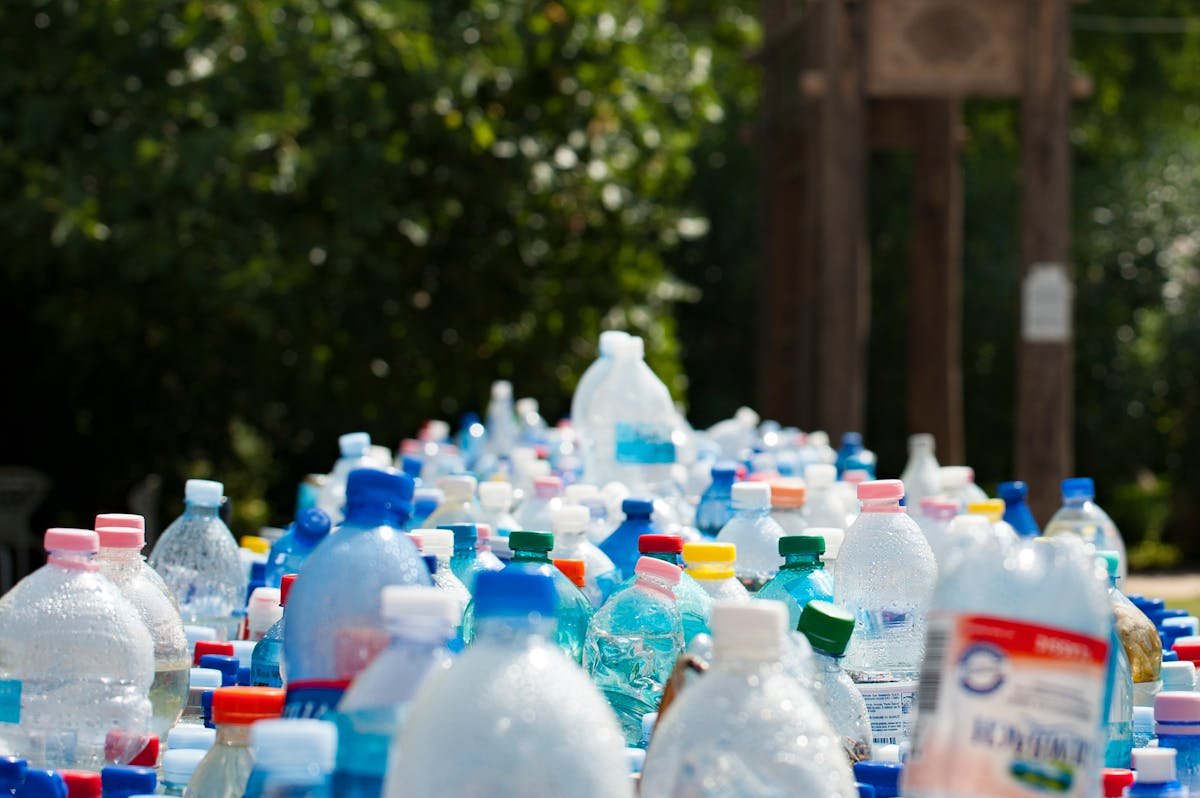
🥤 #1: Bottled Water and Water From Plastic Containers
Studies have found that bottled water contains on average 240 microplastic particles per liter — far more than tap water in most systems. A 2024 study found that a liter of bottled water contained 240,000 nanoplastic particles. Repeatedly filling and refilling plastic water bottles significantly increases leaching.
🍕 #2: Food Packaged or Heated in Plastic
Heating food in plastic containers dramatically increases plastic leaching. Microwave-safe labels indicate a container won’t melt — not that it won’t leach chemicals. Fatty foods and acidic foods leach more plastic from containers than dry foods.
🌬️ #3: Air (Especially Indoor Air)
Synthetic carpet, furniture, clothing, and building materials continuously shed microplastic fibers. Indoor air typically has higher microplastic concentrations than outdoor air. Americans who spend 90% of their time indoors are breathing microplastics continuously.
🐟 #4: Seafood (Especially Shellfish)
Filter-feeding shellfish (oysters, mussels, clams) concentrate microplastics from surrounding water. The seafood you eat whole — shells and guts included — delivers the highest microplastic dose. Fish muscle contains fewer microplastics than gut tissue.
☕ #5: Tea Bags and Coffee Cups
Plastic or nylon tea bags release billions of microplastic particles into your cup at brewing temperature. Paper coffee cups lined with polyethylene leak microplastics into hot beverages — one study found a single paper coffee cup releases approximately 25,000 microplastic particles.
8 Practical Steps to Reduce Your Microplastic Exposure
1. Switch to Filtered Tap Water
A quality water filter removes far more microplastics than drinking bottled water introduces. Best options: Reverse osmosis systems (remove 99%+ of microplastics, PFAS, and most contaminants); Berkey gravity filters; activated carbon block filters (reduce significantly). Drink and cook with filtered tap water in glass, stainless steel, or ceramic containers.
2. Never Heat Food in Plastic
Transfer food to glass, ceramic, or stainless steel before microwaving or heating. This single change eliminates one of the highest-dose exposure pathways. Never heat plastic wrap, plastic storage bags, or plastic takeout containers.
3. Replace Plastic Drinkware and Food Storage
Gradually replace plastic food storage with glass or stainless steel. Priority items to replace first: water bottles, coffee cups (use ceramic or stainless), food storage containers used for hot foods, and baby bottles/sippy cups (highest priority for young children).
4. Switch from Plastic Tea Bags to Loose Leaf Tea
Loose leaf tea in a stainless steel infuser eliminates one of the most concentrated microplastic exposure routes. Paper tea bags are better than nylon/plastic but still release some particles. Organic paper tea bags are the best bag option.
5. Improve Indoor Air Quality
- Use a HEPA air purifier (captures airborne microplastic particles)
- Vacuum regularly with a HEPA-filter vacuum
- Ventilate your home — open windows when outdoor air quality permits
- Choose natural fiber rugs and upholstery (wool, cotton) over synthetic when replacing
6. Reduce Ultra-Processed Food Consumption
Ultra-processed foods involve more plastic packaging contact at more stages of production. Minimally processed, whole foods — particularly those in glass, paper, or metal packaging — deliver lower microplastic doses.
7. Support Gut Detoxification Naturally
While there’s no proven method to eliminate microplastics already in body tissues, supporting your body’s natural elimination pathways makes physiological sense:
- High-fiber diet (fiber binds to toxins and particles in the gut, facilitating elimination)
- Adequate hydration (supports kidney filtration)
- Regular exercise (supports lymphatic circulation)
- Cruciferous vegetables (support liver detoxification phase II pathways)
8. Filter Your Laundry Water
A Guppyfriend washing bag or Cora Ball laundry filter captures synthetic microfibers shed during washing of polyester, nylon, and acrylic clothing — preventing them from entering water supplies (and eventually your drinking water and food).
The Bottom Line
We are in an early but concerning chapter of understanding microplastic health effects. The cardiovascular findings from the 2024 NEJM study alone are sufficient justification for precautionary action. The endocrine disruption evidence from plastic additives is stronger still.
After 40 years of watching emerging environmental health research develop, I know that definitive proof of harm in humans takes decades to accumulate — often while exposure continues. Precautionary steps that are low-cost, low-risk, and logically sound are worth taking now, without waiting for certainty that may take a generation to arrive.
Disclaimer: Our content is for educational purposes only and is not a substitute for professional medical advice, diagnosis, or treatment. Always seek the advice of your physician regarding any health concerns.