Wearable Health Technology in 2026: A Pharmacist’s Guide to What’s Worth Buying (And What the Data Means)
Your wristwatch now knows more about your health than most doctors did 20 years ago. Heart rate variability. Sleep stages. Blood oxygen. Continuous glucose. Skin temperature. Stress levels. In 2026, the wearable health technology revolution has gone mainstream — and for the first time, the data is actually good enough to act on.
The U.S. News expert panel voted wearable devices providing real-time metabolic feedback as the #1 health technology trend of 2026, with 60% of polled healthcare professionals agreeing. Apple Watch, Oura Ring, WHOOP, and continuous glucose monitors (CGMs) are no longer just for elite athletes and tech enthusiasts — they’re changing everyday health management for millions of Americans.
As a pharmacist, I’m genuinely excited about this trend — with important caveats. The data is real, the potential is enormous, and the misinterpretation risks are equally significant. Here’s your complete pharmacist’s guide to navigating the wearable health revolution intelligently.
Why Wearables Are Changing Healthcare in 2026
The fundamental value proposition of health wearables is this: you cannot manage what you cannot measure. For decades, patients only received health data during brief clinical encounters — a snapshot in an artificial setting. Wearables provide continuous, real-world data across the contexts of your actual life.
This matters more than most people realize:
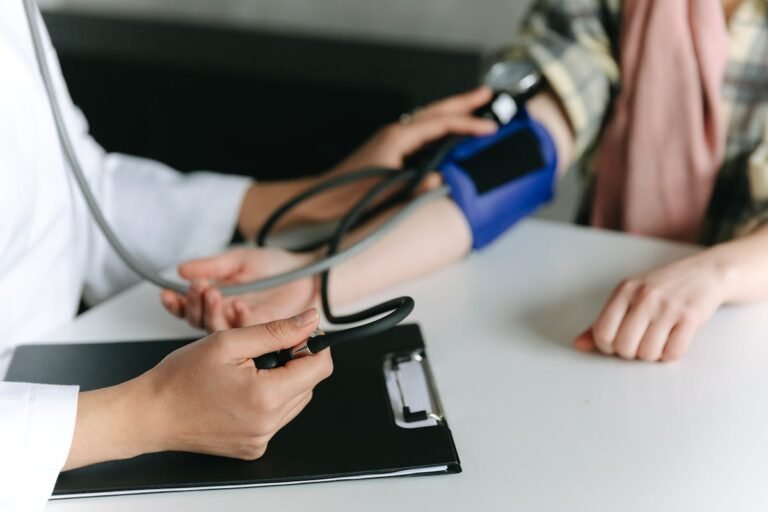
- Blood pressure measured at home is more predictive of cardiovascular outcomes than office readings
- Sleep architecture measured nightly reveals patterns invisible in a one-time sleep study
- Continuous glucose monitoring shows patterns that fasting glucose and HbA1c completely miss
- Heart rate variability tracked over time reveals physiological stress and recovery in ways no single measurement can
The Major Wearable Health Devices — A Pharmacist’s Review
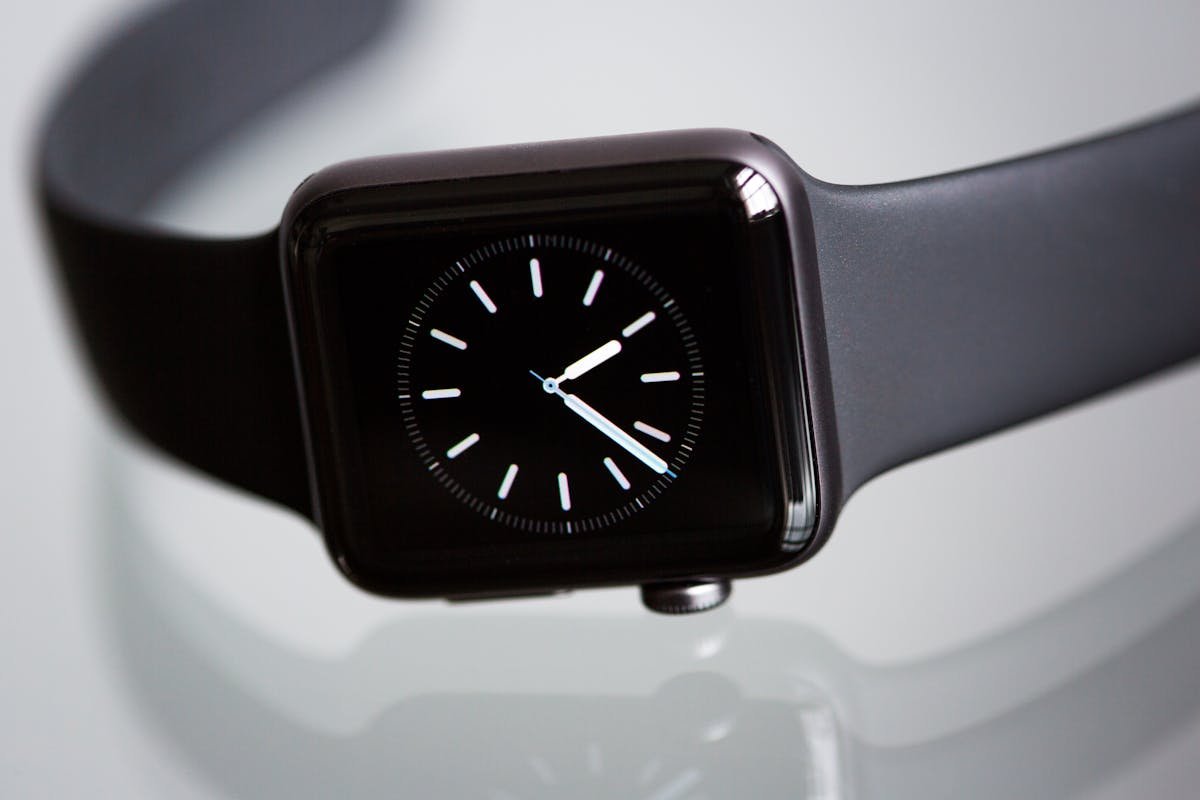
Apple Watch Series 10 — The Most Comprehensive Consumer Health Device
What it tracks well:
- Heart rate (continuously, very accurately)
- ECG (single-lead; clinically validated for AFib detection)
- Irregular rhythm notifications (FDA-cleared for AFib screening)
- Blood oxygen (SpO2) — useful for trend monitoring, not precise clinical measurement
- Fall detection and emergency SOS (particularly valuable for older adults)
- Activity and exercise metrics
Pharmacist’s clinical take: The AFib detection is the most clinically validated and potentially life-saving feature. Studies show Apple Watch AFib screening detects previously undiagnosed atrial fibrillation — a major stroke risk factor — in about 0.5% of users. That’s hundreds of thousands of Americans who wouldn’t otherwise know.
Oura Ring Generation 4 — The Sleep Specialist
What it tracks well:
- Sleep stages (deep, light, REM) — among the most accurate consumer sleep staging available
- Heart rate variability (HRV) — the most sensitive indicator of recovery, stress, and autonomic nervous system health
- Resting heart rate trends
- Skin temperature variations (useful for illness detection, ovulation tracking, and circadian pattern recognition)
- Readiness score — a composite metric of recovery readiness
Pharmacist’s clinical take: HRV is one of the most underappreciated health metrics. A consistently declining HRV trend over days to weeks reliably indicates physiological stress — whether from overtraining, inadequate sleep, illness, or psychological stress — often before subjective symptoms appear. I recommend Oura specifically for patients interested in sleep optimization and stress management.
Continuous Glucose Monitors (CGM) — The Metabolic Game-Changer
This is where I get most excited from a pharmacist’s perspective. CGMs were originally developed for Type 1 diabetics requiring tight glucose control. Now they’re being used by the much larger pre-diabetes population and health-conscious people wanting to understand their metabolic responses.
Available options in 2026:
- Dexcom G7/G8: Most accurate; FDA-cleared; prescription required but increasingly available through wellness programs
- Abbott FreeStyle Libre 3: Affordable; excellent accuracy; popular for both clinical and wellness use
- Stelo (Dexcom OTC): First FDA-authorized OTC CGM specifically for non-diabetics; launched 2024; game-changing for accessibility
- Lingo (Abbott OTC): Similar OTC positioning; comes with app guidance
What CGM reveals that standard testing misses:
- Post-meal glucose spikes that HbA1c and fasting glucose don’t capture
- How YOUR body responds to specific foods (glucose responses are highly individual)
- Impact of sleep quality, stress, and exercise on blood sugar
- Dawn phenomenon (morning cortisol-driven glucose rise)
- How long glucose stays elevated after meals — time-in-range is increasingly the most important diabetes management metric
Pharmacist’s recommendation: Even one 2-week CGM trial for adults with pre-diabetes or metabolic concerns is transformative — seeing real-time glucose responses to food choices drives behavioral change far more effectively than abstract lab numbers.
WHOOP 5.0 — The Performance and Recovery Specialist
Designed primarily for athletes and performance optimization. Excellent HRV tracking, recovery scoring, and strain measurement. No screen (data via phone only), worn 24/7, subscription-based. Best suited for people who exercise regularly and want detailed performance optimization data.
Smart Blood Pressure Cuffs (Withings, Omron HeartGuide)
Often overlooked in wearable discussions but potentially the highest clinical value for many adults. Home blood pressure monitoring provides far better data than office readings for diagnosing and managing hypertension. The American Heart Association recommends it for all hypertensive patients.
The Most Clinically Valuable Metrics to Track
🔴 Heart Rate Variability (HRV) — Most Important for Longevity
HRV measures the variation in time between heartbeats — a reflection of your autonomic nervous system balance. Higher HRV generally correlates with better cardiovascular health, recovery capacity, stress resilience, and even lifespan. It’s the single most predictive wellness metric available in consumer wearables.
What consistently improves HRV: Quality sleep, aerobic fitness, stress management, limiting alcohol, maintaining healthy weight, and vagal nerve stimulation (deep breathing, cold exposure, meditation).
🟡 Resting Heart Rate — Fitness and Cardiovascular Health
Optimal resting heart rate for adults: 50-70 BPM. Below 50 in trained athletes is normal and healthy. Above 80 at rest is associated with increased cardiovascular risk. A consistently declining resting heart rate over weeks of exercise training is one of the most satisfying biometric improvements you can track.
🟢 Sleep Quality Metrics — Deep Sleep and REM Percentages
Aim for: 15-20% deep sleep (slow-wave sleep) and 20-25% REM sleep. Deep sleep is when physical restoration occurs (growth hormone release, tissue repair, immune function). REM sleep is when memory consolidation and emotional processing happen. CGM and poor diet markedly reduce deep sleep — another reason why metabolic health and sleep are inseparable.
The Risks and Limitations — What Your Wearable Can’t Tell You
Health Anxiety and “Cyberchondria”
A real and growing problem. A study noted that continuous health monitoring can increase stress in predisposed individuals. Wearables work best for people who can interpret data calmly and use it constructively — not for those who will obsessively check every metric and catastrophize normal fluctuations.
Accuracy Limitations
- Sleep staging in wearables is 70-80% accurate vs. polysomnography (clinical standard) — useful for trends, not perfect precision
- Blood oxygen measurements are ±3-4% — sufficient for trends but not clinical pulse oximetry
- Calorie burn estimates are notoriously inaccurate (often off by 20-40%)
- CGM accuracy is high but individual calibration matters; motion artifacts affect readings
Don’t Replace Clinical Care
Wearable data should supplement — never replace — regular clinical evaluation. I’ve had patients show me concerning wearable readings who needed actual medical evaluation, and patients who dismissed real symptoms because their wearable “looked fine.” Wearables are tools, not diagnoses.
Pharmacist’s Buying Guide — Which to Choose
- For heart health and AFib risk: Apple Watch (ECG + irregular rhythm detection)
- For sleep and stress optimization: Oura Ring (best sleep staging, best HRV tracking)
- For blood sugar and metabolic health: Stelo or Libre (OTC CGM, 2-week trial minimum)
- For athletes and performance: WHOOP (best training load and recovery analytics)
- For hypertension management: Withings BPM Connect or Omron Platinum (validated home BP monitors)
- Best starting point for most people: Oura Ring — provides the most clinically meaningful data (HRV, sleep, readiness) with the lowest health anxiety risk
The Bottom Line
We are in the early innings of a genuinely transformative era in personal health monitoring. The ability to track real-time metabolic data, sleep quality, cardiovascular health, and recovery status continuously and non-invasively is unprecedented in human history.
Used intelligently — with realistic accuracy expectations, focus on trends rather than individual data points, and as a complement to regular clinical care — wearable health technology is one of the most powerful tools available to proactive health-conscious Americans in 2026. The key word is intelligently.
Disclaimer: Our content is for educational purposes only and is not a substitute for professional medical advice. Wearable devices are not medical diagnostic tools. Always consult your physician regarding any health concerns.