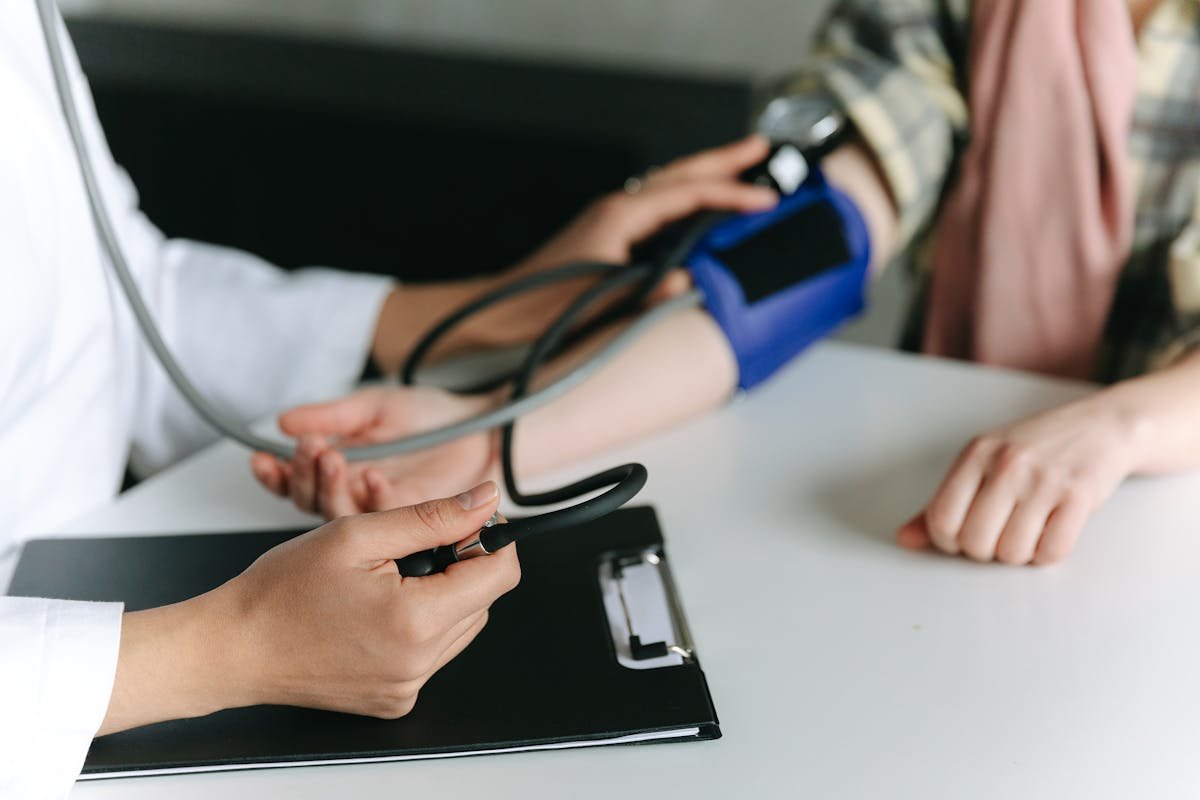
How to Lower Blood Pressure Naturally: 8 Pharmacist-Approved Strategies That Actually Work
Your doctor just told you your blood pressure is too high. Now you’re facing a prescription you’re not sure you want — and wondering if there’s another way. You’re not wrong to ask.
Nearly 119 million Americans — 47% of adults — have hypertension, according to the American Heart Association. What’s more alarming: only about 1 in 4 have it under control. As a pharmacist who has dispensed blood pressure medications for four decades, I’ll tell you what I tell my own patients: lifestyle changes are often powerful enough to lower blood pressure significantly — sometimes eliminating the need for medication altogether.
Here’s what the science actually supports — straight from the pharmacy counter to you.
Understanding Your Blood Pressure Numbers
Before we talk solutions, let’s make sure you understand what you’re working with:
- Normal: Below 120/80 mmHg
- Elevated: 120-129 / less than 80 mmHg
- Stage 1 Hypertension: 130-139 / 80-89 mmHg
- Stage 2 Hypertension: 140+ / 90+ mmHg
- Hypertensive Crisis: 180+ / 120+ mmHg (emergency — call 911)
The top number (systolic) measures pressure when your heart beats. The bottom number (diastolic) measures pressure between beats. Both matter — but recent research suggests systolic pressure is the stronger predictor of cardiovascular risk.
Why High Blood Pressure Is Called the “Silent Killer”
Hypertension rarely causes noticeable symptoms until it’s caused serious damage. Most people feel completely fine — until they have a heart attack, stroke, or kidney failure. This is why the “silent killer” label is no exaggeration.
Uncontrolled hypertension damages:
- ❤️ Heart: Left ventricular hypertrophy, heart failure, coronary artery disease
- 🧠 Brain: Stroke, vascular dementia, cognitive decline
- 🫘 Kidneys: Chronic kidney disease (hypertension is the #2 cause of kidney failure in the U.S.)
- 👁️ Eyes: Hypertensive retinopathy, vision loss
- 🩸 Arteries: Atherosclerosis, aneurysm formation
8 Natural Ways to Lower Blood Pressure
1. The DASH Diet: The Most Proven Dietary Approach
The Dietary Approaches to Stop Hypertension (DASH) diet was specifically designed to lower blood pressure and is backed by more clinical evidence than any other dietary intervention. Studies show DASH can lower systolic blood pressure by 8-14 mmHg — equivalent to some medications.
DASH diet principles:
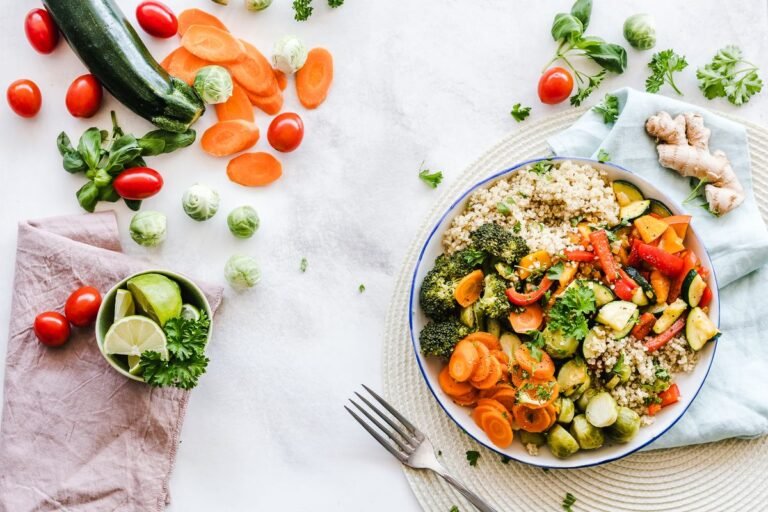
- Eat plenty of vegetables, fruits, and whole grains
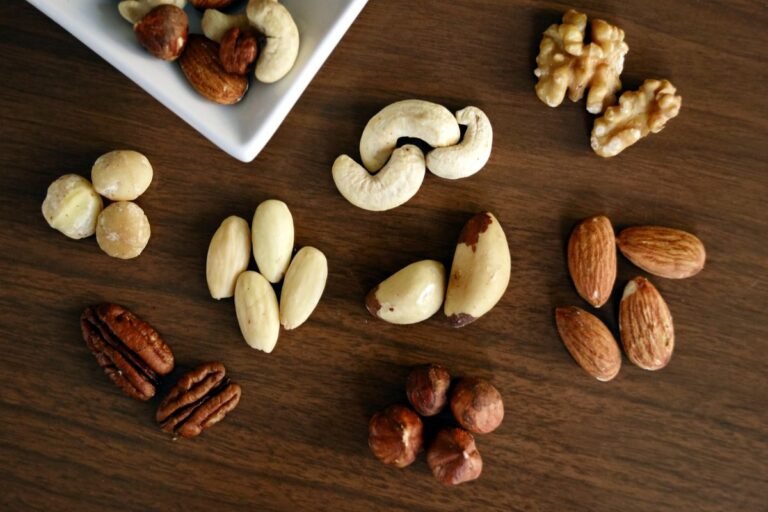
- Include low-fat dairy, fish, poultry, beans, and nuts
- Limit saturated fats, red meat, and sweets
- Reduce sodium to 1,500-2,300mg daily (most Americans eat 3,400mg)
2. Reduce Sodium — But Not in the Way You Think
Most people think about the salt shaker when they hear “reduce sodium.” But only about 11% of sodium in American diets comes from the salt shaker — the rest comes from processed foods. The biggest culprits:
- Bread and rolls (the #1 source of sodium in the U.S. diet)
- Deli meats and cured meats
- Pizza and fast food
- Canned soups (often 800-1000mg per serving)
- Sauces, condiments, and dressings
- Breakfast cereals and snack foods
Each 1,000mg reduction in daily sodium lowers systolic blood pressure by approximately 2-4 mmHg. For sodium-sensitive individuals (about half of hypertension patients), the effect is much larger.
3. Exercise: Consistent Cardio Is Medicine
Regular aerobic exercise is one of the most powerful natural blood pressure interventions available. Studies consistently show 30 minutes of moderate cardio, 5 days per week, reduces systolic blood pressure by 5-8 mmHg.
Best exercises for blood pressure:
- Brisk walking (easiest to sustain long-term)
- Cycling (indoor or outdoor)
- Swimming (excellent for those with joint issues)
- Dancing
- Zone 2 cardio (conversational pace — you can talk but not sing)
Bonus: A 2023 study found that isometric exercises — like wall sits and planks — may be even more effective than aerobic exercise for blood pressure reduction. Adding 2-3 sessions of isometric holds per week could lower systolic BP by an additional 8-10 mmHg.
4. Increase Potassium Intake
Potassium counteracts the blood pressure-raising effects of sodium by helping kidneys excrete excess sodium and relaxing blood vessel walls. Most Americans consume only half the recommended 4,700mg daily.
Best potassium sources:
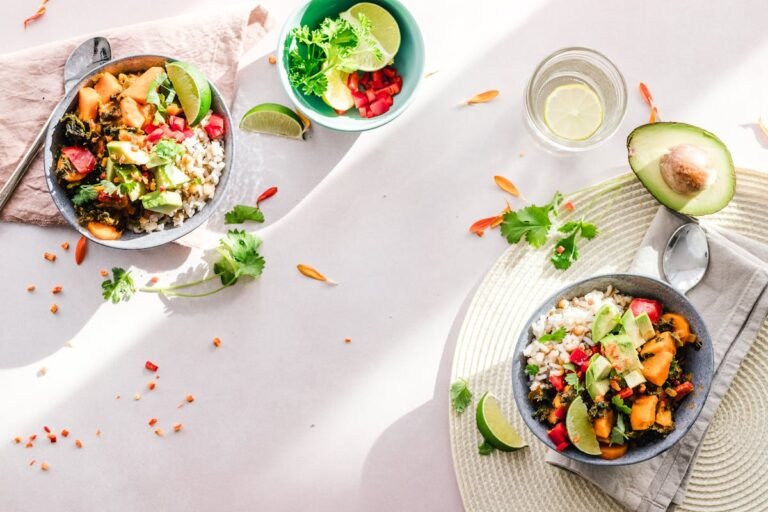
- 🥑 Avocado (975mg per avocado)
- 🍠 Sweet potato (940mg per medium potato)
- 🫘 White beans (1,100mg per cup)
- 🥬 Spinach (840mg per cooked cup)
- 🍌 Banana (422mg — the most famous but not the richest source)
- 🐟 Salmon (628mg per 3oz)
5. Lose Even a Small Amount of Weight
Weight loss is one of the most effective blood pressure interventions. Research shows that losing just 1 kilogram (2.2 lbs) of body weight reduces blood pressure by approximately 1 mmHg. Losing 10-15 lbs can have a medication-equivalent effect for many Stage 1 hypertension patients.
The mechanism is multi-factorial: reduced inflammatory burden on blood vessels, less strain on the heart, improved insulin sensitivity, and reduced kidney stress.
6. Limit Alcohol to 1 Drink or Less Per Day
Heavy alcohol consumption is a significant driver of hypertension. More than 2 drinks daily raises blood pressure directly and reduces the effectiveness of blood pressure medications. Reducing from heavy to moderate drinking (1 drink/day for women, 2/day for men) can lower systolic BP by 3-4 mmHg.
For maximum benefit, the latest research suggests even lower — less than 1 drink daily shows the most cardiovascular benefit.
7. Manage Stress: The Underrated Driver of Hypertension
Acute stress temporarily spikes blood pressure, and chronic stress keeps it chronically elevated through sustained cortisol release. The American Heart Association now officially recognizes psychological stress as a cardiovascular risk factor.
Proven stress-reduction techniques for blood pressure:
- Slow deep breathing (6 breaths per minute) — lowers BP within minutes
- Transcendental meditation — multiple studies show 4-5 mmHg reductions
- Regular aerobic exercise (addresses both stress AND BP directly)
- Social connection and strong relationships
- Quality sleep (see below)
8. Prioritize 7-9 Hours of Quality Sleep
During sleep, blood pressure naturally dips 10-20% — a process called “nocturnal dipping.” People who don’t dip have significantly higher rates of cardiovascular events. Poor sleep disrupts this process and keeps overnight BP elevated.
Additionally, sleep apnea — which affects over 30 million Americans, most undiagnosed — is one of the most common causes of treatment-resistant hypertension. If you snore loudly or wake up tired despite a full night’s sleep, ask your doctor about a sleep study.
Evidence-Based Supplements for Blood Pressure
After lifestyle changes, these supplements have the strongest evidence for blood pressure reduction:
- Magnesium glycinate (300-400mg daily): Relaxes blood vessel walls; 70% of Americans are deficient
- Coenzyme Q10 (100-200mg daily): Multiple meta-analyses show reductions of 11-17 mmHg systolic
- Omega-3 fatty acids (2-4g EPA/DHA daily): Reduces arterial stiffness and inflammatory BP drivers
- Beetroot/beet juice: High in dietary nitrates that convert to nitric oxide, relaxing blood vessels
- Garlic extract (600-1,500mg daily): Shows consistent 7-9 mmHg reductions in multiple studies
⚠️ Always discuss supplements with your pharmacist or doctor before starting — some interact with blood pressure medications.
When Medication Is Necessary
I want to be clear: lifestyle changes work powerfully — but they have limits. Medication is appropriate and important when:
- BP is consistently above 140/90 despite 3+ months of lifestyle changes
- You have additional cardiovascular risk factors (diabetes, kidney disease, previous heart attack)
- BP is above 160/100 (requires immediate medical management)
- There’s evidence of target organ damage
Medication and lifestyle changes work synergistically — patients on medication who also make lifestyle changes often achieve better control at lower doses.
The Bottom Line
High blood pressure is not a life sentence. For millions of Americans — particularly those with Stage 1 hypertension — consistent lifestyle changes can normalize blood pressure without medication.
The eight strategies above, implemented consistently, can collectively lower systolic blood pressure by 20-30 mmHg — equivalent to most medications. Start with the ones that feel most achievable, build momentum, and work with your doctor to track your progress.
Disclaimer: Our content is for educational purposes only and is not a substitute for professional medical advice, diagnosis, or treatment. Never stop or change blood pressure medication without consulting your doctor. Always seek the advice of your physician.